


The Story
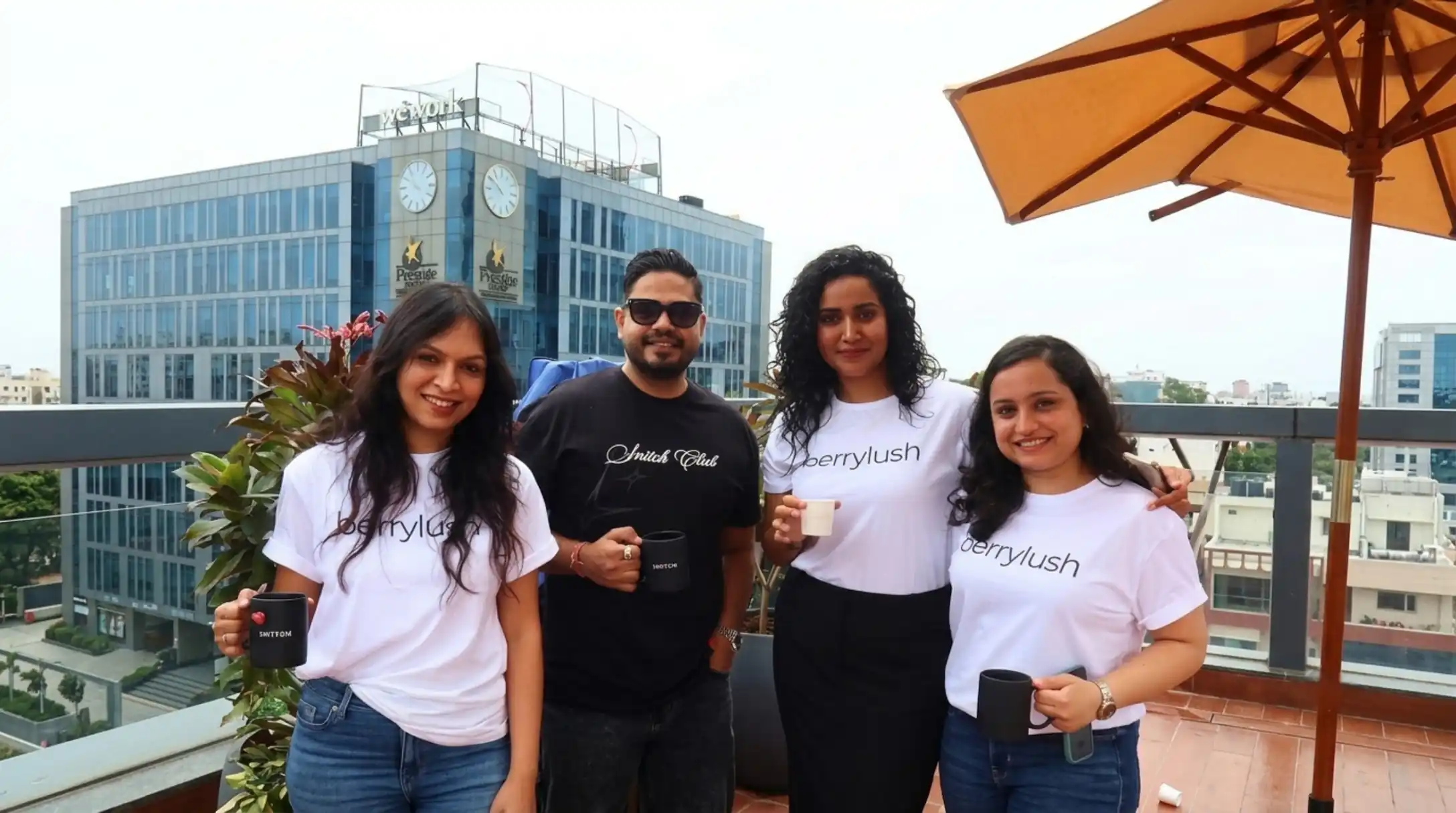
Snitch, the Bengaluru-based direct-to-consumer menswear brand, has acquired Berrylush, a women's western wear label. Founder Siddharth Dungarwal announced the acquisition in an Instagram post, saying the company would document the integration and rebuilding of the brand over the following 100 days under the name Berrylush 2.0. He described the deal in that post as the first day of rebuilding a brand rather than an acquisition on its own. Neither company has disclosed the consideration paid, whether Snitch has taken full ownership or a majority stake, the date on which the transaction closed, what role Berrylush's founders Anusha Chandrashekar and Alok Paul will hold, or whether existing investors have exited. The announcement carries no financial terms of any kind. The acquisition has been announced by Snitch alone. There is no joint statement from Berrylush, no regulatory filing on the record, and no independent confirmation of the terms. This account rests on that single announcement. Berrylush was founded in 2015 by Chandrashekar and Paul and operates from Noida. It sells dresses, tops, jumpsuits, skirts and co-ords in sizes from XS to 7XL, and has launched a Berrylush Curve line for larger sizes. It has raised about $970,000, from TMRW, the direct-to-consumer arm of Aditya Birla Fashion and Retail, and the revenue-based financing platform Klub. The purchase is Snitch's first move outside menswear.
Why It Matters
Snitch runs a vertically integrated fast fashion operation. It designs to a weekly drop cycle, holds inventory tight, manufactures through relationships its founder built over a decade as a garment supplier, and sells through its own site, its app and a store network that reached 100 outlets in December 2025. For the year to March 2024 it reported revenue of ₹241 crore, double the previous year, on a profit of ₹4.39 crore. None of that machinery is specific to men's clothing. Sourcing, production scheduling, warehousing and shop floors do not distinguish between a men's shirt and a women's dress. Buying a womenswear label rather than launching one gets Snitch a catalogue, a working size system and an existing customer file on day one, and gives it women's product to put into doors it is already paying rent on. What the deal does not settle is whether Snitch can sell to women. Womenswear carries higher return rates, more complex fit, deeper SKU counts and faster range turnover, and it is the more crowded half of Indian fast fashion. Snitch's reported ₹241 crore and its store count are evidence about menswear execution. They are not evidence about this. The announcement contains no operating detail that addresses the gap, because it contains no operating detail at all.
The Strategic Read
The assumption being underwritten is that a menswear supply chain carries over to womenswear without being rebuilt. The money makes the shape of the deal fairly clear. Berrylush has raised about $970,000 in its life. Snitch has raised roughly $53 million, including ₹278.93 crore in a Series B recorded in its filings last year, at a valuation reported at around ₹2,500 crore. This is not a merger. It is a well-capitalised brand absorbing a small one, and what is most likely being bought is the catalogue, the size system and the customer list rather than the business as a going concern. The undisclosed price probably reflects that. The part worth knowing is who sold. TMRW, the D2C house inside Aditya Birla Fashion and Retail, sits on Berrylush's cap table. A strategic investor of that size releasing a portfolio brand to a competitor reads differently from a growth exit, and nothing in the announcement addresses it. Neither does anything address what the founders received or whether they stay. The rebuild is being run in public, and that is the risk. A 100-day countdown documenting strategy, product decisions, branding, challenges and mistakes is a marketing format before it is an integration plan, and it puts a clock on work that usually takes longer and goes badly in private. If Berrylush 2.0 arrives on day 100 with the catalogue thinned, the fit system reset and the existing customers not following, that failure is as visible as the promise was. What Snitch paid to take that risk remains undisclosed.
For daily, sharp analysis of the biggest moves in the Indian business and startup ecosystem, follow StartupFox.