 Flipkart
The Story
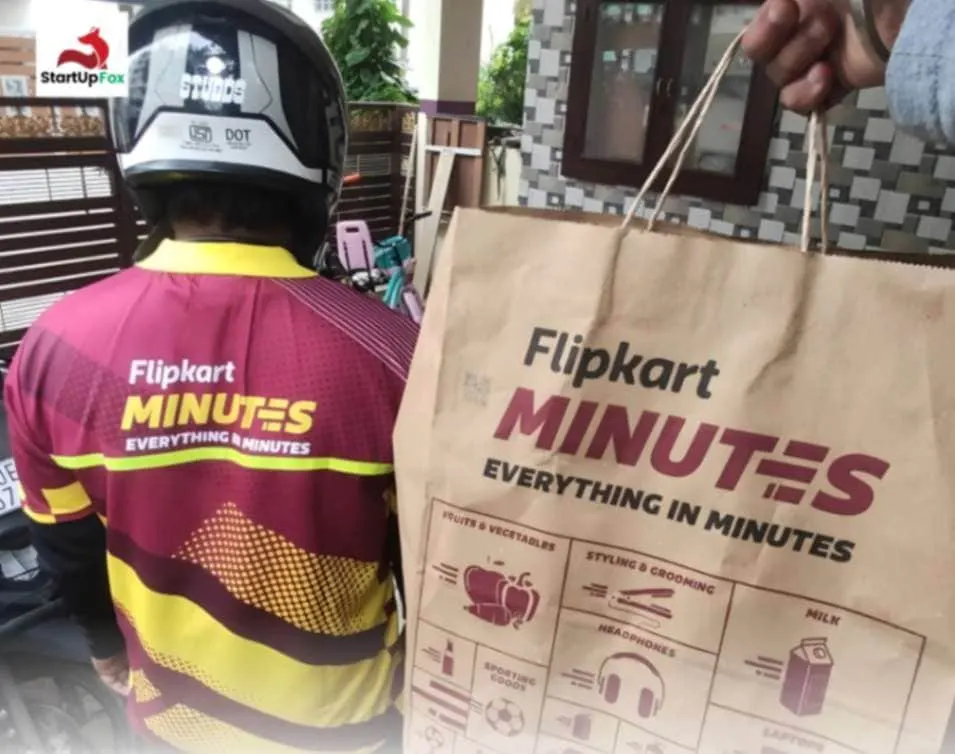
Walmart-backed Flipkart is dramatically accelerating its quick commerce play, Flipkart Minutes, by confirming plans to scale its dark store network past 1,500 locations by the end of 2026. The e-commerce behemoth, which currently operates roughly 750 to 850 fulfillment centers across the country, is adding approximately 800 new stores over the next eight months. This massive infrastructure rollout is explicitly designed to close the gap with market leaders Blinkit, Zepto, and Swiggy Instamart, moving Flipkart’s core value proposition from reliable next-day delivery to aggressive 10-minute fulfillment. The company is actively focusing on deeper penetration in Tier-2 and Tier-3 markets like Rohtak, Muzaffarpur, and Asansol, where customer acquisition costs remain lower but demand for high-frequency categories is surging.
Why It Matters
The core strategy here is driven by pure defense and unit economics. Traditional e-commerce is built on centralized warehousing, which optimizes for high-ticket items and deferred gratification. However, quick commerce intercepts high-frequency purchases—groceries, beauty, electronics accessories, and daily essentials—right at the consumer's neighborhood. To play this game, Flipkart is pivoting to a hyperlocal, high-density model. A typical dark store requires ₹45 to ₹60 lakh in capital expenditure. To break even, these local hubs need to hit around 1,400 to 1,500 orders per day with an average order value hovering between ₹500 and ₹600. Flipkart is using a hybrid execution model, partnering with third-party enablers to share the capex and operational load in certain pin codes, allowing them to scale their physical footprint without taking on the entirety of the real estate risk internally.
The Strategic Read
If Flipkart fails to dominate the 10-minute delivery window, it risks losing its most active, high-value customers to the competition. Blinkit already commands the lead with over 2,000 active dark stores and an explicit target of 3,000 by 2027, while Swiggy Instamart and Zepto hold substantial networks exceeding 1,100 stores each. What started as a battle for grocery delivery has evolved into a full-scale retail war, with consumers now expecting immediate delivery on smartphones, apparel, and home appliances. Flipkart’s aggressive push into smaller cities is a calculated attempt to secure market dominance before Zepto or Blinkit can build insurmountable local network effects. It forces the entire industry to rethink inventory placement, moving from massive regional fulfillment centers to highly localized micro-warehouses, fundamentally altering the mechanics of Indian retail.
For daily, sharp analysis of the biggest moves in the Indian business and startup ecosystem, follow StartupFox.