


The Story
SuperMush, a US functional wellness brand, has raised $3 million in a Series A round led by NDude Labs, a healthcare and wellness investment firm operating in India and the United States.
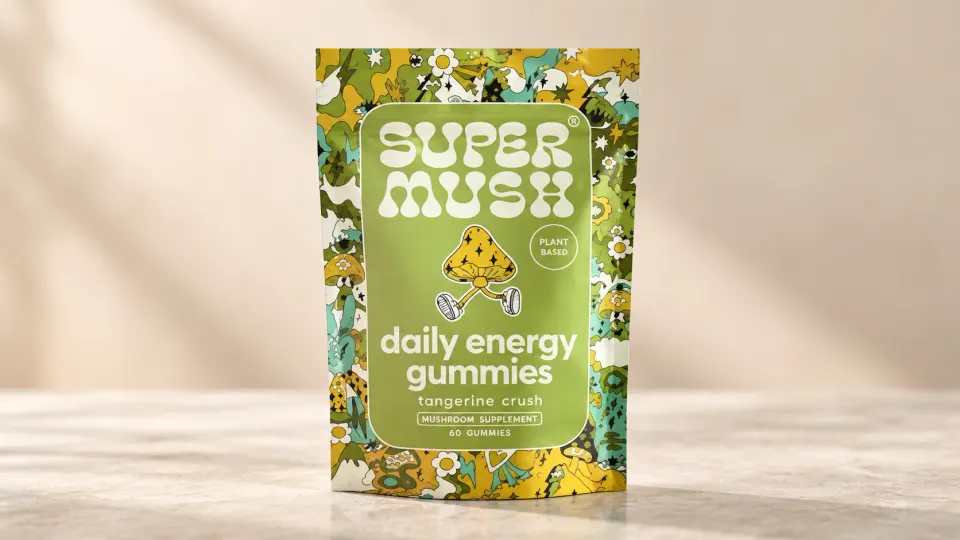
Alli Schaper and Brian Friedman founded SuperMush in 2022, and Schaper is chief executive. The brand sells supplements built on nootropics, adaptogens and functional mushrooms, including shilajit, creatine and lion's mane gummies. Its earlier backers include founders of brands such as Hu Kitchen, Zumba and Vega.
Over the past year it has expanded into more than 1,000 Target stores, and it now sells in more than 2,000 US stores including Target and Sprouts, as well as through its own website and Amazon. The money goes into new products and formulations, its team and customer support, and further expansion across retail, direct-to-consumer and marketplace channels. Friedman said the aim is to make SuperMush the leading premium functional supplement brand for active lifestyles.
NDude Labs is led by managing director Nitin Thakor, with Vikram Sehgal as chief operating officer. Three weeks ago it made a strategic growth investment in Nutriventia, a Mumbai company that develops clinically validated, branded nutraceutical ingredients, among them the turmeric ingredient TurmXTRA and the ashwagandha ingredient Ashwanova, and supplies formulators and wellness brands in the US, Europe, Australia, South Korea and Japan. That investment is funding Nutriventia's clinical research and a dedicated US commercial team.
"NDude Labs invests in differentiated, science-backed products and founders with the vision and grit to build enduring brands," Sehgal said.
Why It Matters
Walk down the supplement aisle in an American Target and a good share of what is fashionable has Indian roots. Ashwagandha and turmeric came out of Ayurveda. Shilajit, a mineral-rich resin that seeps from rock in the Himalayas and has been used in traditional Indian medicine for centuries, has become one of the more popular wellness products in the United States in recent years. American brands have built large businesses selling these ingredients in modern formats such as gummies, capsules and powders, while much of the raw material and a good deal of the processing comes from India.
The value in that chain has sat mostly at the American end. An Indian supplier sells an extract by the kilogram; a US brand sells it by the gummy, with the marketing, the shelf space and the margin. The Indian companies trying to move up that chain have done it by branding their ingredients and running clinical studies on them, so that a US brand can print a named, studied ingredient on its label rather than a generic one. Nutriventia is one of those companies.
NDude Labs now holds stakes at both ends: an Indian maker of branded, clinically studied ingredients, and an American brand selling ingredients of that kind into Target. Neither company has said the two will do business together, and each investment stands on its own. But the pairing is a clear statement of a strategy Indian capital has been circling for years, which is to stop only selling the raw material and to own a share of what it becomes on the shelf.
The Strategic Read
The first thing to understand is that $3 million is not much money for a brand in 2,000 stores. Getting onto a Target shelf is the start of the cost, not the end. Brands typically fund promotions and discounts, carry inventory before they are paid, and wait weeks or months for retailers to settle. Then the product has to sell quickly enough to keep its place, because shelves are reviewed and slow movers are cut. Adding more than 1,000 Target stores in a year is a real achievement and a large working-capital commitment, and much of the growth this round pays for will be paid in stock and trade spend.
The second is what science-backed means in this category. In the United States, dietary supplements do not need regulatory approval for effectiveness before they are sold, and brands can make general claims about supporting focus or energy without proving them to a regulator. That makes evidence a choice rather than a requirement, and it is the choice NDude Labs says it is investing in. It is also why a supplier like Nutriventia, which runs clinical work on its ingredients, has value: a studied, branded ingredient is one of the few ways a brand can make its label mean something.
Quality is the other half of that argument. Ayurvedic products have a documented history of heavy-metal contamination, and shilajit, as a raw mineral resin, has to be purified and tested before it is safe to sell. In a category where sourcing failures become headlines, testing and traceability are a competitive advantage rather than a compliance cost.
The format raises its own question. Gummies sell because they are pleasant to take, and they are also one of the hardest formats in which to fit an effective dose, because sugar, gelling agents and flavour take up space the active ingredient needs. A brand promising science-backed performance in a gummy has to show that the dose on its label matches the dose the evidence used.
Then there is trend risk. Functional mushrooms, shilajit and nootropics are in fashion, and the supplement aisle has a long history of ingredients that surge and fade. SuperMush's stated ambition is to become the leading premium functional supplement brand for active lifestyles, which is a bet that the brand will outlast its current hero ingredients. An investor that also holds a supplier of clinically validated ingredients is one way of making that bet less dependent on any single trend.
For daily, sharp analysis of the biggest moves in the Indian business and startup ecosystem, follow StartupFox.