

 Zepto
ZeptoThe Story
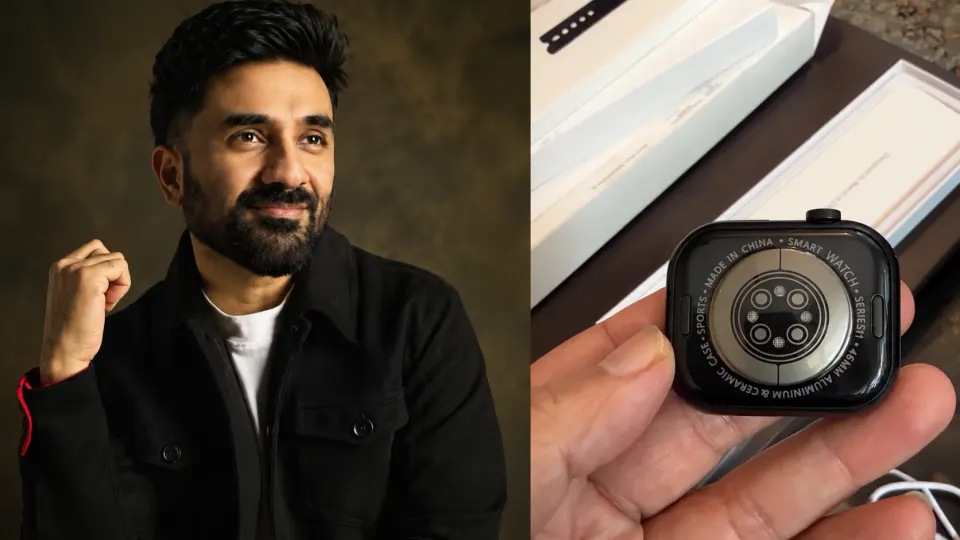
Actor and comedian Vir Das received a counterfeit device after ordering a ₹50,000 Apple Watch through quick-commerce platform Zepto for an urgent shoot. Das posted images and a video of the unsealed product on social media on Monday, highlighting that the packaging lacked the Apple logo and instead bore the text "Designed by Watch in China".
According to Das, his initial attempts to resolve the issue through Zepto’s customer support were unsuccessful, with an agent allegedly stating that nothing could be done. Following the viral traction of his posts on X and Instagram, Zepto publicly acknowledged the complaint. The company stated it takes such concerns seriously and scheduled a standard reverse pickup to investigate the issue alongside its brand partners.
By late Monday, Das confirmed that Zepto’s management had intervened directly and successfully delivered a genuine replacement Apple Watch. In a follow-up post, Das clarified that the issue was not the fault of the delivery executive, whom he had alerted at the time of delivery regarding the unsealed box. Zepto is currently investigating how the unauthenticated product entered its supply chain.
Why It Matters
This incident is structurally important because it exposes the friction inherent in the ongoing quick-commerce pivot. Platforms like Zepto, Blinkit, and Swiggy Instamart are aggressively attempting to expand their Average Order Value (AOV) by moving beyond low-margin groceries and FMCG goods into high-margin electronics, premium beauty, and branded appliances.
Selling an Apple Watch or a PlayStation is fundamentally different from selling milk or bananas. The core utility of quick commerce is speed, but the core utility of high-value electronics retail is trust and provenance. When a customer pays ₹50,000 for a flagship device, they expect a hermetically sealed, verifiable supply chain. This incident reveals that dark stores—optimised for rapid, chaotic sorting and dispatch of perishables—are currently vulnerable to inventory contamination when handling premium hardware.
While a spoiled vegetable results in a frictionless ₹50 refund, a counterfeit luxury electronic device triggers immense reputational damage, consumer protection liabilities, and viral public relations crises. For Zepto, the initial failure of its frontline customer service to resolve the issue indicates that the company's automated support scripts are not yet calibrated to handle the severe financial implications of a failed high-ticket delivery. Although the company resolved the matter rapidly once it escalated, relying on viral social media traction as a functional customer escalation matrix is unsustainable for a company aggressively scaling its electronics category.
The Strategic Read
The counterfeit Apple Watch incident signals that quick-commerce platforms are running ahead of their own supply chain governance. The underlying business mechanism driving platforms like Zepto to stock Apple Watches is margin expansion; grabbing market share from horizontal e-commerce giants like Amazon and Flipkart by offering 10-minute instant gratification for premium purchases.
However, this strategy is only viable if the inventory is pristine. The leverage point in electronics retail is authorised distribution. Amazon and Flipkart spent years building sophisticated, audited seller frameworks and "assured" fulfillment tags to cleanse their platforms of counterfeit electronics. Quick-commerce platforms operate on a decentralized model, stocking inventory across hundreds of hyper-local dark stores. This decentralization dramatically increases the surface area for inventory contamination, shrinkage, or supplier fraud. If a counterfeit device can bypass inbound quality checks and sit on a dark store shelf, the platform’s procurement audit trail is broken.
The competitive consequence is immediate. Trust is a lagging indicator. If consumers begin to view quick-commerce apps as unreliable for purchases over ₹10,000, the platforms will be permanently boxed into the low-AOV grocery segment, severely capping their path to profitability. Zepto’s rapid intervention to replace the watch prevents a total loss of trust, but it highlights a brittle operational layer.
The strongest countercase to the quick-commerce electronics push is the inherent conflict between speed and security. Implementing stringent serial-number verification, open-box delivery protocols, and anti-tamper mechanisms slows down the dispatch process—the very metric these platforms live by. If mitigating the risk of counterfeit electronics requires slowing down the entire dark store workflow, the unit economics of instant electronics delivery may collapse.
For daily, sharp analysis of the biggest moves in the Indian business and startup ecosystem, follow StartupFox.