The Story
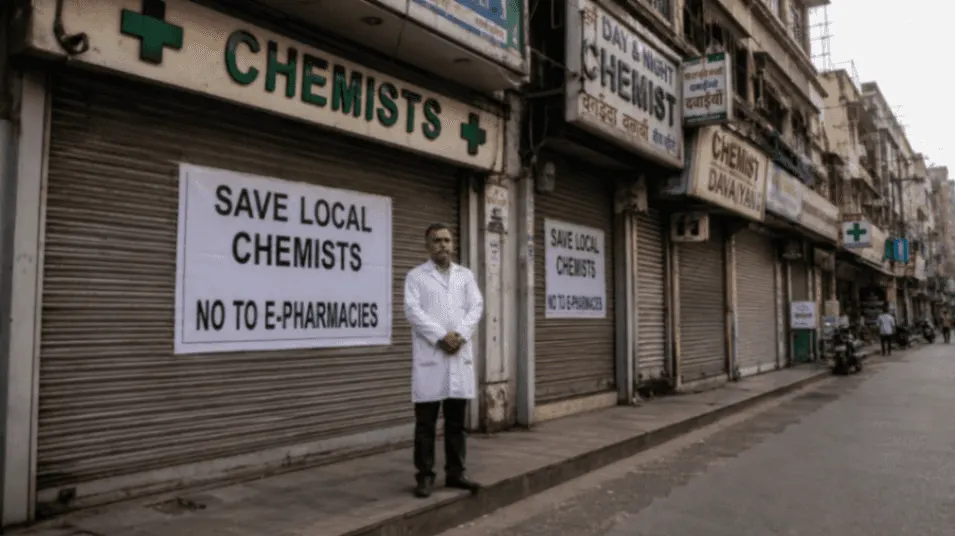
A massive disruption is looming over India’s healthcare retail sector as over 12.40 lakh chemists and pharmaceutical distributors have announced a nationwide strike scheduled for May 20, 2026. This collective action, organized by major trade bodies, is a direct protest against the continued expansion and operational methods of online medicine platforms. The retailers are demanding stricter government oversight and the immediate cessation of what they describe as "illegal" online pharmacies that operate without the same stringent physical licensing requirements that traditional brick-and-mortar shops must adhere to. This shutdown is expected to impact medicine availability in both urban centers and rural districts, forcing a spotlight on the long-standing friction between traditional trade and digital disruption.
Why It Matters
The core of this conflict lies in the fundamental difference in business models and cost structures. Traditional chemists operate on thin margins governed by DPCO (Drug Price Control Order) regulations, bearing high overheads for physical storefronts and qualified pharmacists. In contrast, e-pharmacies often leverage venture capital to offer deep discounts—frequently between 15% to 25%—which traditional retailers cannot match without selling at a loss. Furthermore, the offline lobby argues that digital platforms simplify the process of obtaining prescription drugs, potentially leading to self-medication and the distribution of counterfeit products—a sentiment echoed by public concern regarding the safety of digital supply chains. The chemists see this not just as a loss of business, but as a systematic bypass of the Drugs and Cosmetics Act.
The Strategic Read
This strike represents a critical moment for India’s e-commerce policy. If the government bows to the pressure of the 1.2 million-strong retailer base, it could lead to much tighter draft e-pharmacy rules, potentially mandating physical "dark stores" in every district or banning discounts altogether. For tech giants and startups in the space, this regulatory uncertainty is a significant bottleneck for growth and valuation. On the macro level, it highlights the "India vs. Bharat" divide; while urban consumers value the convenience of door-step delivery, a vast portion of the population still relies on the local chemist for immediate healthcare advice and credit-based purchasing. The outcome of this protest will determine whether India moves toward a hybrid "omnichannel" pharma model or if the traditional lobby can successfully stall the digital transition.
For daily, sharp analysis of the biggest moves in the Indian business and startup ecosystem, follow StartupFox.