 Rapido
The Story
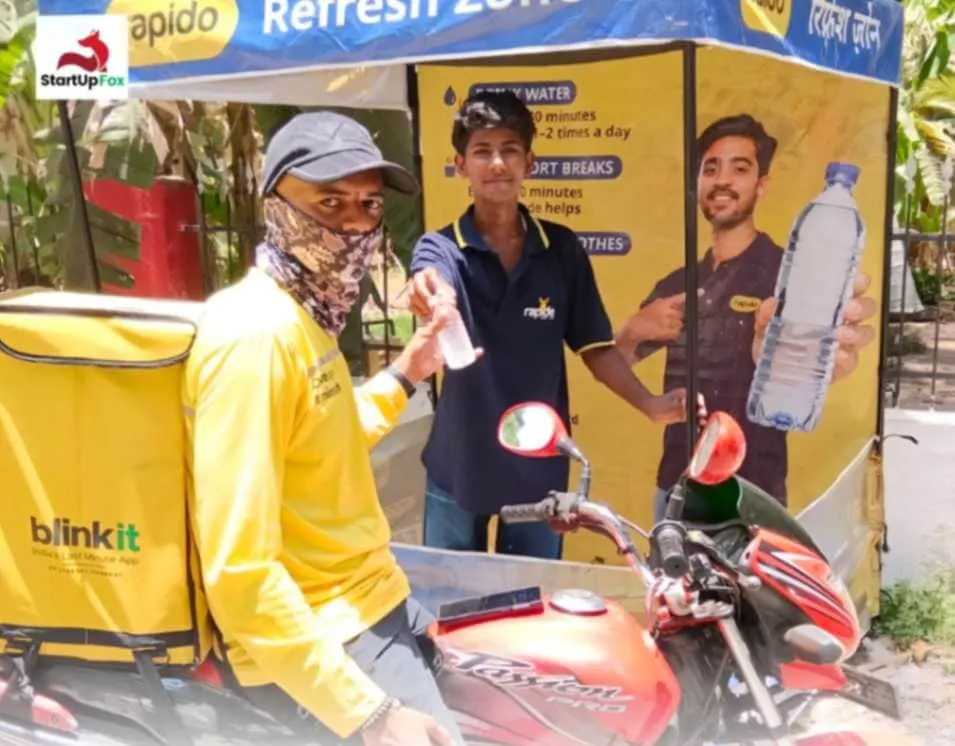
Ride-hailing aggregator Rapido has rolled out a network of dedicated support and rest spaces, branded as "Refresh Zones," across Mumbai. The initiative is explicitly designed to offer gig economy workers a physical reprieve during their grueling daily shifts. These strategically placed kiosks provide riders with free drinking water, shaded seating areas, mobile charging points, and a safe space to take short breaks between active trips. Notably, the infrastructure is completely platform-agnostic; ground reports and visual coverage show delivery partners from competing quick-commerce platforms like Blinkit actively utilizing the facilities. The move has generated immediate positive traction online, positioning Rapido as a first-mover in acknowledging and addressing the severe physical toll of hyper-local logistics.
Why It Matters
To understand the business mechanics behind this initiative, you have to look at the severe supply-side crunch that hits the Indian gig economy during extreme summer heatwaves. When temperatures spike, a massive percentage of the delivery and ride-hailing workforce simply logs off the app to avoid heat exhaustion. This sudden drop in supply causes estimated times of arrival (ETAs) to skyrocket and triggers heavy surge pricing, completely breaking the consumer experience and halting platform revenue. By investing in physical rest stops, Rapido is deploying a highly effective retention tool. It ensures their fleet can recharge and stay operational for longer hours without burning out. Furthermore, opening these zones to riders from Zomato, Swiggy, and Blinkit is a brilliant customer acquisition strategy disguised as corporate goodwill. It introduces thousands of active, vetted two-wheeler drivers to the Rapido brand ecosystem, building deep grassroots loyalty that will likely convert them into active Rapido captains when they look to multi-home across different apps.
The Strategic Read
This deployment of physical infrastructure marks a critical pivot in how algorithmic platform companies interact with their workforce. Historically, the gig economy has operated on a strict "asset-light" model, treating drivers as independent contractors and deliberately avoiding the creation of any physical corporate infrastructure that might imply an employer-employee relationship. However, mounting political scrutiny, union strikes, and pending state-level frameworks like the Rajasthan Gig Worker Bill are forcing aggregators to rethink their operational distance. By proactively building these rest spaces, Rapido is effectively preempting harsh government regulation by proving that the private sector can self-regulate and provide basic human welfare. For the broader industry, it forces heavily capitalized incumbents like Uber, Ola, and Zomato to match this standard. Moving forward, the battle for gig worker retention will no longer be fought solely through algorithmic login incentives, but through tangible, on-ground support systems.
For daily, sharp analysis of the biggest moves in the Indian business and startup ecosystem, follow StartupFox.