 Anthropic
The Story
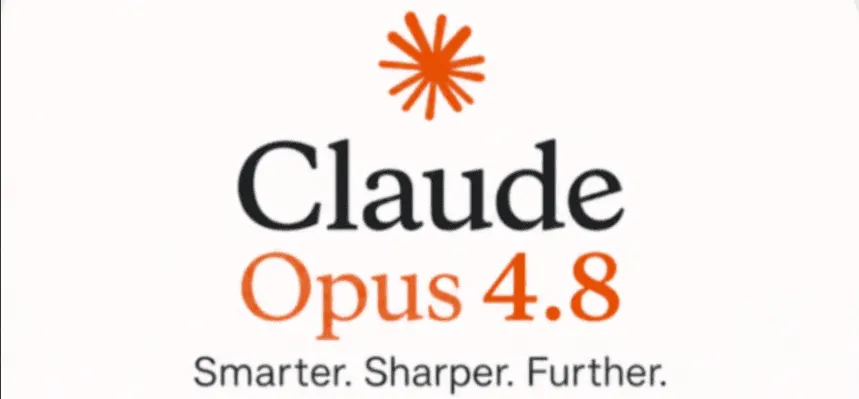
AI research company Anthropic has officially rolled out Claude Opus 4.8, the newest and most sophisticated iteration of its flagship foundational model layer. Released globally on Thursday, May 28, 2026, the updated model retains the standard pricing structure of the previous Opus versions while introducing a core native functionality termed the "dynamic workflow" tool. This new feature allows the model to handle multi-step computational tasks natively, routing complex sub-problems into optimized micro-pipelines without requiring external software frameworks. The release is available across all primary access points immediately, including Anthropic's API, console, and commercial user interfaces, positioning the firm to capture deeper enterprise compute allocations.
Why It Matters
To understand the technical importance of Opus 4.8's dynamic workflow feature, one must look at how developers currently build complex enterprise AI applications. Previously, a single prompt was often insufficient to complete an advanced corporate task like cross-referencing multi-page legal contracts or executing multi-layered code refactoring. Engineers had to build external agentic frameworks using tools like LangChain or custom orchestrators to break down a prompt, call the model multiple times, and stitch the responses together. This added massive latency, increased developer friction, and drastically inflated API token costs due to redundant context processing. Opus 4.8 natively internalizes this orchestration layer. The model can evaluate an inbound query, map out an execution plan, assign specific tasks to targeted sub-modules, and verify the output before returning it to the user. This structural optimization significantly drops the cost per successful complex query, helping enterprises run multi-agent workflows at a lower compute overhead.
The Strategic Read
The release of Opus 4.8 heavily alters the competitive dynamic among foundational AI providers like OpenAI and Google, especially within the high-value enterprise market. For the past year, the tech sector focused on scaling raw parameter sizes and extending context windows. However, the commercial bottleneck has quickly shifted from model intelligence to operational execution costs. By moving agentic orchestration from external code directly into the foundational model architecture, Anthropic is trying to capture the value that middle-tier software tools used to control. For enterprise buyers and developers, this reduces platform lock-in and lowers the engineering threshold needed to deploy reliable AI agents. If Anthropic successfully sets this as the new market standard, it will force competitors to natively bake orchestration tools into their own models, accelerating a trend where raw intelligence becomes commoditized and value is won entirely on system-level cost efficiency and workflow integration.
For daily, sharp analysis of the biggest moves in the Indian business and startup ecosystem, follow StartupFox.