
 Rapido
The Story
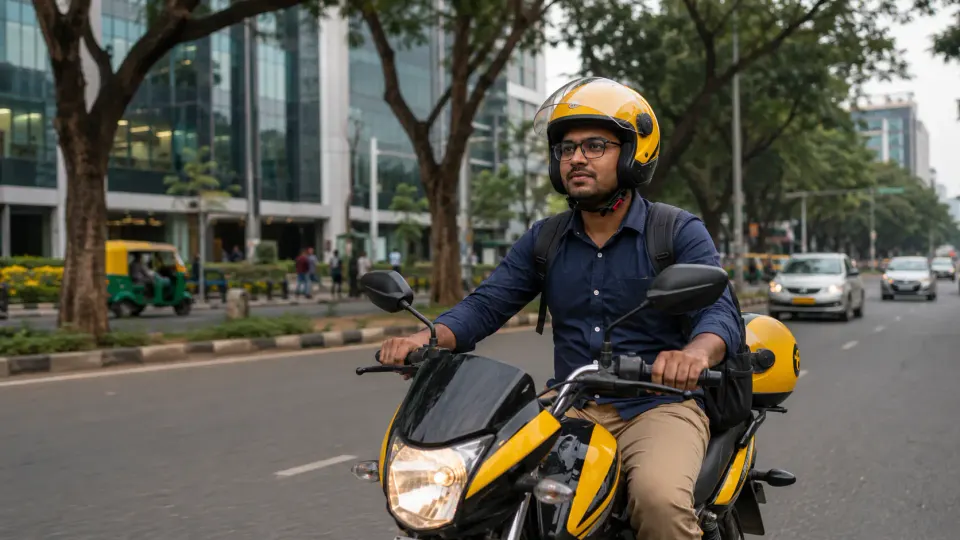
A viral online post detailing a commuter's weekend ride-hailing trip has sparked intense public discussion regarding the escalating financial pressures of living in modern Indian metropolitan hubs. The digital account detailed an encounter with a Rapido bike taxi rider in Bengaluru who works full-time as a software developer at a multinational corporation. Despite pulling a six-figure salary from his primary corporate role, the technology professional actively operates on the ride-sharing platform during his weekends to generate secondary income. The developer, who is married with a young child, explained that the supplemental income was necessary to establish greater financial security for his family, immediately drawing national focus to the changing financial reality for white-collar workers.
Why It Matters
The financial mechanics behind this white-collar gig migration reveal a deep mismatch between standard corporate wage increments and localized cost structures. Over the last few years, Tier-1 cities have witnessed intense inflation across core household expenses, specifically residential rentals, school admission fees, and everyday lifestyle maintenance. While a six-figure annual income previously guaranteed a highly comfortable lifestyle, heavy monthly outback commitments like home loans, car EMIs, and modern living expenses now absorb a vast portion of a professional's net take-home pay. On the operational side, consumer tech platforms have systematically eliminated the friction required to monetize individual spare time and assets. Ride-hailing apps provide immediate onboarding, flexible shift control, and direct UPI wage settlements, allowing asset-heavy but cash-constrained professionals to bridge short-term liquidity shortfalls without navigating formal commercial channels.
The Strategic Read
This intersection of corporate talent and street-level gig labor points to a broader structural re-ordering of India's educated middle class. For two decades, securing an engineering seat at an MNC was viewed as the ultimate financial defense mechanism against economic volatility, but entry-level and mid-tier engineering salaries have remained relatively flat when weighed against the compounding costs of metropolitan survival. This trend forces an urgent corporate re-evaluation of strict moonlighting restrictions and workplace wellness initiatives within major technology enterprises. When high-skilled employees choose strenuous physical labor over weekend rest or personal upskilling, it signals deep systemic economic anxiety. For on-demand mobility operators, this specialized pool of vehicle-owning, tech-literate part-time partners represents a highly disciplined supply layer, yet it underscores a jarring economic reality: primary economic hubs are becoming unsustainably expensive for the tech workforce that built them.
For daily, sharp analysis of the biggest moves in the Indian business and startup ecosystem, follow StartupFox.