
The Story
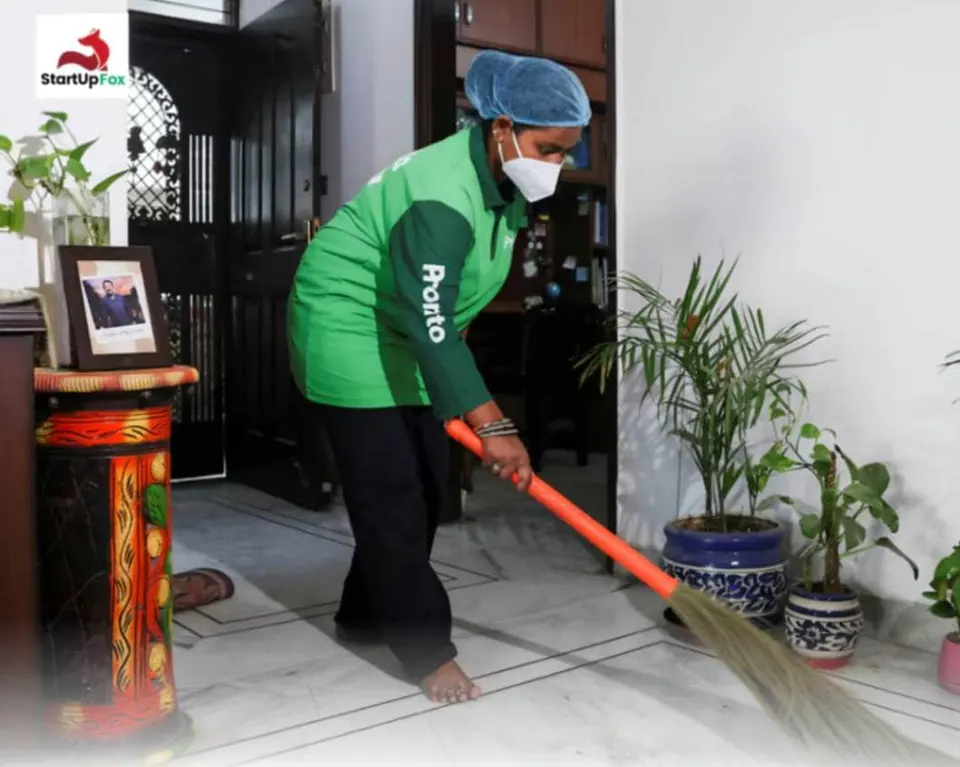
Pronto, an emerging home services startup, is facing a severe public relations crisis and mounting user backlash after reports surfaced that the company was recording the interiors of customers' homes during routine service visits. The visual data was reportedly being actively harvested to train the company's "physical AI models." The revelation sparked immediate outrage across social media platforms, with netizens and digital privacy advocates condemning the practice. The core sentiment of the backlash was captured by a viral post stating that "turning Indian homes into training grounds is unacceptable." Users are raising urgent questions regarding the extent of the surveillance, the security of the video files, and whether customers provided explicit, informed consent for their private living spaces to be mapped and digitized.
Why It Matters
To understand the motivation behind this deeply invasive strategy, one must look at the technical bottlenecks of developing physical, or "embodied," artificial intelligence. Whether building domestic robotics, spatial computing software, or automated cleaning hardware, AI models require millions of hours of visual data from highly unstructured environments. A controlled laboratory is useless for training a robot to navigate the chaotic reality of an Indian living room filled with varied furniture, changing lighting, and random clutter. Pronto attempted to solve this massive data acquisition problem by effectively subsidizing it through their core business. By wrapping data collection inside a paid cleaning or maintenance service, the startup bypassed the immense cost of generating synthetic data or setting up thousands of test environments. Instead of paying for spatial mapping, customers were actually paying the company to enter their homes, unwittingly allowing their private sanctuaries to become highly valuable, proprietary training datasets. It is a highly efficient unit economic play that completely fails the ethical test.
The Strategic Read
This incident carries severe structural implications for both the deep-tech ecosystem and the broader gig economy in India. First, trust in at-home service platforms is notoriously fragile; market leaders have spent years building safety protocols just to convince urban consumers to allow strangers into their homes. If the public begins to view service professionals as walking data-harvesting nodes, the entire sector will suffer a massive demand shock. Secondly, this directly stress-tests India's newly minted Digital Personal Data Protection (DPDP) Act. The law requires clear, unambiguous consent for data processing, strictly limiting the secondary use of collected information. Burying a "video recording for AI training" clause in a dense Terms of Service agreement will no longer hold up under regulatory scrutiny. For other AI founders, the Pronto backlash serves as a harsh warning: treating the Indian consumer’s private domain as an unregulated sandbox to accelerate product development will result in instant brand destruction and inevitable legal consequences.
For daily, sharp analysis of the biggest moves in the Indian business and startup ecosystem, follow StartupFox.