The Story
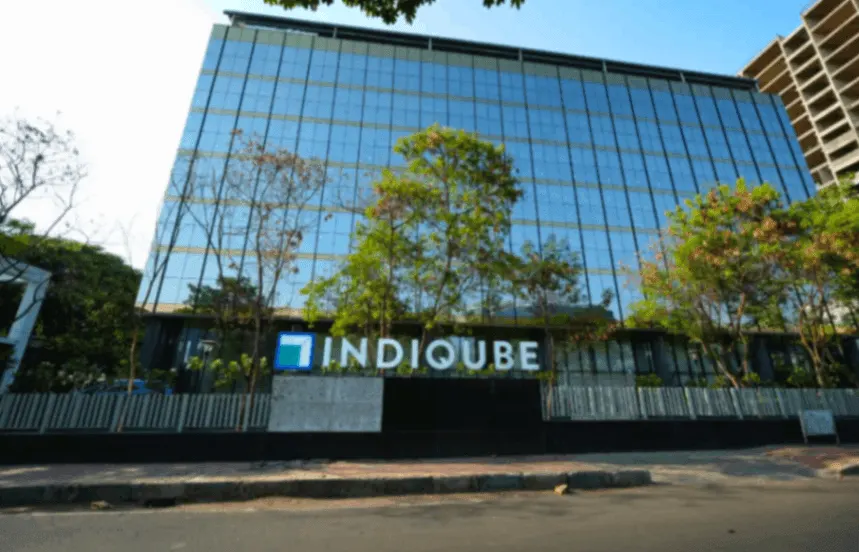
Bengaluru-based managed workspace solutions provider IndiQube Spaces Limited has reported its highest-ever financial results for the fiscal year ending March 31, 2026. The company closed FY26 with an annual revenue of ₹1,469 crore, marking a solid 37% year-on-year increase from the ₹1,076 crore generated in FY25. More importantly, this top-line growth was matched by a highly disciplined bottom line. IndiQube’s Profit After Tax (PAT) skyrocketed by 145%, climbing to ₹125 crore up from ₹51 crore in the previous year. Operating metrics showed similar strength, with EBITDA growing 60% to hit ₹301 crore, securing a robust 21% margin. The fourth quarter alone delivered record-breaking performance, bringing in ₹407 crore in revenue and ₹30 crore in net profit.
Why It Matters
To understand this explosive profitability, you have to look at the structural mechanics of IndiQube's specific business model compared to traditional co-working spaces. Early iterations of the flexible workspace industry relied heavily on dangerous arbitrage—signing long-term, expensive commercial leases and hoping to rent out hot desks on short-term, low-margin contracts to freelancers. IndiQube operates entirely differently. They focus on enterprise clients, offshore development centers (ODCs), and mature startups, providing end-to-end managed headquarters rather than just temporary desks. By handling the heavy capital expenditure (capex), custom fit-outs, and daily facility management, IndiQube commands a significant premium and locks clients into sticky, multi-year contracts. This asset-light, tech-enabled enterprise management model guarantees highly predictable recurring revenue, drastically lowers customer churn, and ultimately generates the massive 21% EBITDA margin seen in these FY26 filings.
The Strategic Read
These financials signal a fundamental correction in the Indian commercial real estate (CRE) sector. Traditional Tier-1 developers and landlords are increasingly realizing that enterprise tenants no longer want to lock millions of dollars into 10-year rigid leases and office fit-outs. They want agility. IndiQube’s massive 145% profit spike proves that the "space-as-a-service" model is exceptionally lucrative when executed with enterprise-grade discipline. For the broader market—including recently listed competitors like Awfis and aggressive players like Smartworks—IndiQube is setting a very high operational benchmark. It proves to public markets and private equity investors that Indian managed workspaces have officially cracked the profitability code. As corporate return-to-office mandates stabilize and GCCs (Global Capability Centers) continue to flood into Bengaluru, Pune, and Hyderabad, operators with strong EBITDA margins like IndiQube are perfectly positioned for massive valuations in future public offerings or strategic market consolidations.
For daily, sharp analysis of the biggest moves in the Indian business and startup ecosystem, follow StartupFox.