The Story
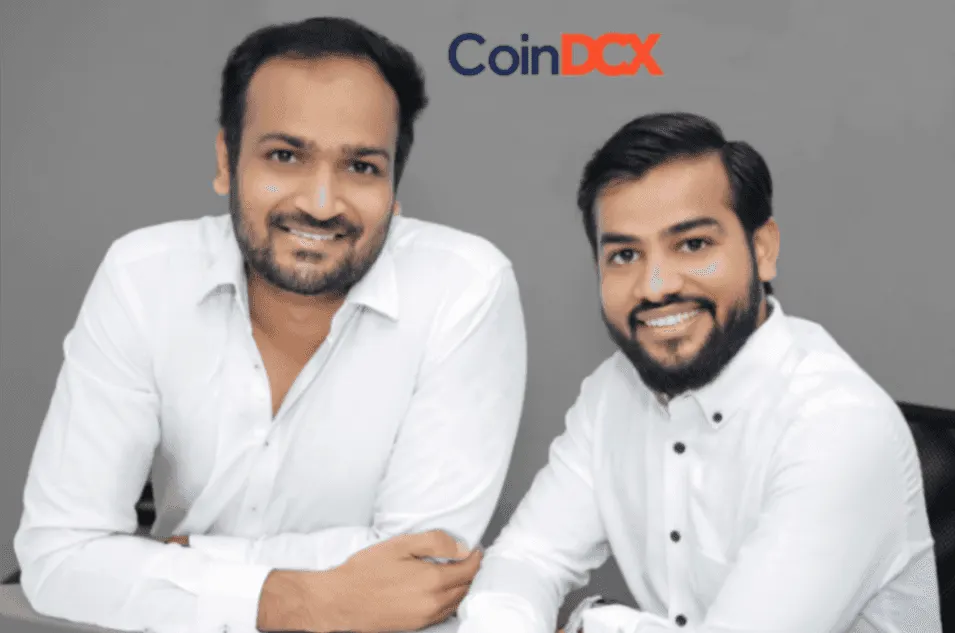
In a startling development for the Indian digital asset ecosystem, CoinDCX co-founders Sumit Gupta and Neeraj Khandelwal were arrested by Thane police in connection with a ₹71.6 lakh fraud investigation. The arrests stem from a First Information Report (FIR) filed by an insurance advisor, who alleged he was duped by promises of high returns and lucrative franchise opportunities linked to the crypto exchange between August 2025 and February 2026. Following their apprehension in Bengaluru, the founders were remanded to police custody for further
Why It Matters
CoinDCX has vehemently denied any wrongdoing, aggressively pushing back against the FIR. The company's official stance is that its leadership is being scapegoated for a highly sophisticated impersonation scam. According to the exchange, fraudsters hijacked the founders' identities to run parallel, fake operations, successfully tricking victims into transferring funds to entirely unrelated, third-party bank accounts. Highlighting the scale of the menace, CoinDCX revealed it has actively reported over 1,200 fraudulent websites mimicking its platform over the past two years, underscoring how severely their brand equity has been targeted by cybercriminals.
The Strategic Read
For the broader Indian startup ecosystem, this incident is a chilling cautionary tale that extends far beyond the crypto sector. It exposes a terrifying legal vulnerability for entrepreneurs: founders can face immediate, severe real-world consequences—including arrest and police custody—when bad actors weaponize their corporate identities. As financial scams become increasingly sophisticated, the immediate legal fallout is disproportionately landing on the legitimate business owners whose brands were stolen. This forces a critical ecosystem-wide shift; startups can no longer treat brand protection as just a marketing function. They must proactively build aggressive, institutional-grade legal firewalls and user-education campaigns to protect their leadership from the catastrophic fallout of external impersonators.
For daily, sharp analysis of the biggest moves in the Indian business and startup ecosystem, follow StartupFox.