
The Story
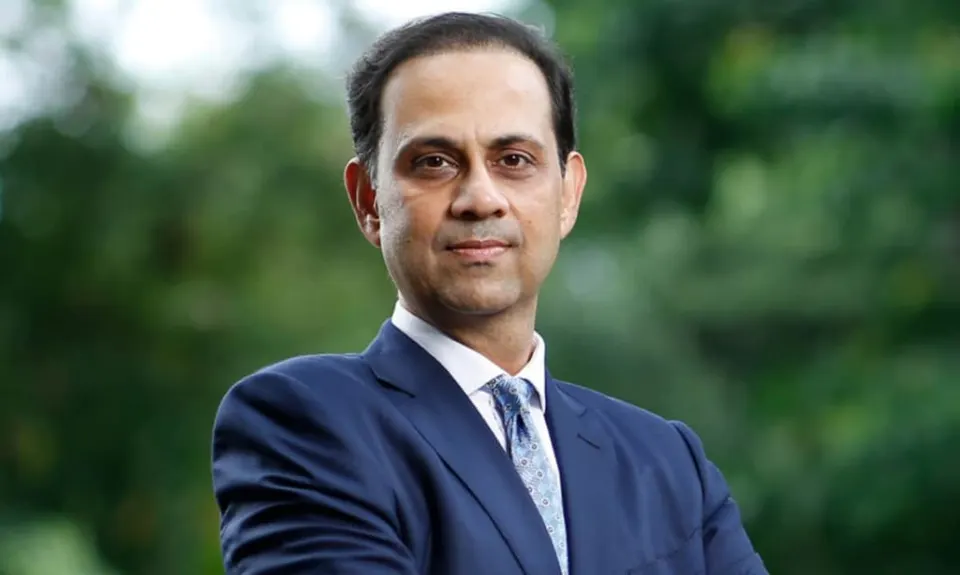
Bajaj Finserv has officially announced the launch of a dedicated early-stage investment vehicle named Finserv Intelligence, committing a massive capital deployment of ₹2,000 crore over the next five years. Headquartered in Pune and led by Chairman and Managing Director Sanjiv Bajaj, the financial services conglomerate plans to inject this capital into high-growth, early-stage enterprises. The investment strategy will run through 2031, focusing heavily on technology architectures that can integrate into or optimize the broader financial services stack. This marks one of the largest domestic corporate venture capital (CVC) allocations from an Indian financial institution, introducing an enormous pool of stable, institutional liquidity into the early-stage tech market.
Why It Matters
To understand the strategic intent behind Finserv Intelligence, one must analyze the shifting dynamics of product development inside legacy financial institutions. Traditionally, massive financial conglomerates relied on slow internal R&D or late-stage acquisitions to acquire new technological capabilities, which often led to integration failures and outdated user experiences. At the same time, agile fintech startups have unbundled core financial services—such as alternative credit scoring, automated underwriting, and AI-driven fraud detection—with extreme velocity. By allocating ₹2,000 crore to early-stage deals, Bajaj Finserv isn't just seeking venture-style financial returns; it is securing strategic optionality. Investing early allows the conglomerate to embed these emerging technologies directly into its massive consumer lending, insurance, and wealth management ecosystems. This ecosystem alignment lowers customer acquisition costs (CAC) for the startups while equipping Bajaj Finserv with cutting-edge proprietary tools long before they become commoditized by competitors.
The Strategic Read
This massive ₹2,000 crore commitment alters the competitive environment for independent venture capital funds and early-stage tech ecosystems across India. For the past few years, early-stage startups have remained vulnerable to global macroeconomic shocks and fluctuating foreign capital flows. The entry of massive, patient domestic balance-sheet capital through Finserv Intelligence provides a reliable safety net for technical founders. Furthermore, this move signals a deeper consolidation where corporate venture capital (CVC) shifts from a passive branding exercise to an aggressive customer-acquisition and distribution engine. Independent VC funds will find it increasingly difficult to compete for top fintech deals on valuation alone; founders will naturally favor institutional investors who can instantly grant them access to millions of active retail customers. This will likely trigger a wave of similar fund launches from rival financial giants, accelerating the institutionalization of early-stage software and resetting the rules of strategic exit routes in the country.
For daily, sharp analysis of the biggest moves in the Indian business and startup ecosystem, follow StartupFox.