
The Story
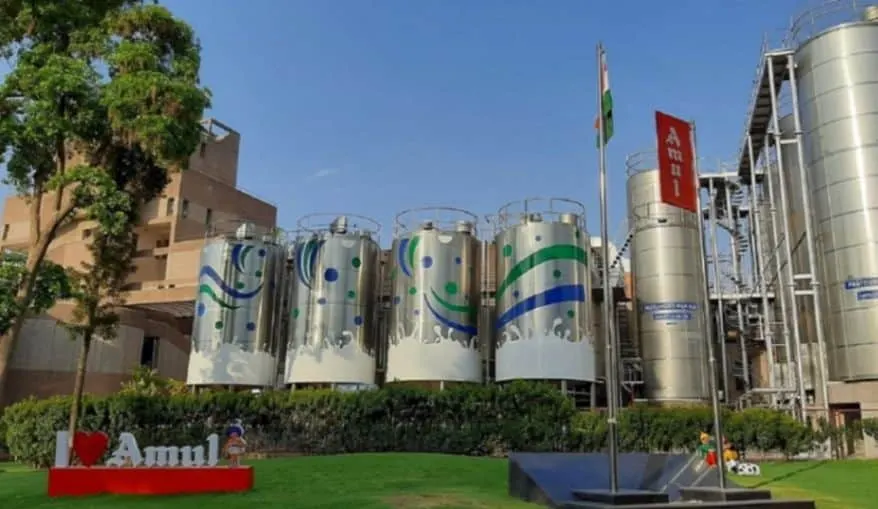
The Gujarat Cooperative Milk Marketing Federation (GCMMF), which manages the Amul brand, has announced a combined capital deployment of ₹800 crore to scale its operational infrastructure across Eastern India. This expansion is anchored by a ₹650 crore investment to construct its first fully owned, state-of-the-art dairy processing facility in West Bengal. Concurrently, the organization is directing ₹150 crore toward a separate dairy project in Assam to consolidate its market share in the northeastern corridor. This strategic physical expansion, originally sourced from reports by the Times of India, comes immediately on the heels of major electoral victories for the Bharatiya Janata Party (BJP) in both states. The project marks a definitive operational shift for Amul, moving away from simple cross-state distribution toward direct ownership of local processing lines and cold-chain hubs.
Why It Matters
To understand the business logic behind transitioning to fully owned infrastructure in the east, you have to look at the severe margin pressures native to perishable FMCG distribution. Fresh dairy relies entirely on a rigid temperature-controlled supply chain and quick turnaround times. Historically, Amul serviced consumer demand in West Bengal and Assam by transporting processed inventory over long distances from western cooperatives or by using local third-party contract packaging units. However, relying on external packers limits total volume agility, increases contamination risks, and introduces third-party overhead that compresses gross margins. By building a proprietary processing plant, Amul can introduce its integrated cooperative framework directly to eastern rural networks. The entity will set up village-level chilling stations and establish direct procurement relationships with local farmers, giving Amul complete control over raw milk quality, eliminating exploitative middlemen, and optimizing production costs for high-margin fresh categories like packaged milk, curd, and frozen desserts.
The Strategic Read
This dual-state investment alters the competitive environment for both private dairy brands and unorganized local supply channels in the region. Historically, the milk market in Eastern India has remained heavily fragmented, operating with low quality controls and volatile seasonal pricing. Amul’s entry with institutional scale will likely force an immediate standardization of regional procurement prices and safety benchmarks, elevating rural farming incomes but placing immense operational strain on local private dairies that lack comparable capital backing. On a macro level, this corporate development demonstrates how closely large-scale industrial commitments are tied to regional administrative predictability and policy continuity with the central government. By embedding its infrastructure directly into Bengal and Assam, Amul will turn these states from net importers of dairy products into self-sufficient production ecosystems, structurally modernizing the agricultural economy of the east and shifting domestic trade paths.
For daily, sharp analysis of the biggest moves in the Indian business and startup ecosystem, follow StartupFox.