

The Story
Open Network for Digital Commerce (ONDC) has secured ₹220 crore in fresh capital from a strategic consortium of tech and finance operators, including Zoho, Uber, Paytm, and BSE Technologies. According to recent filings with the Registrar of Companies (RoC), this capital infusion is the first tranche of a broader ₹430 crore fundraising plan executed through a private share sale. The participation of these high-profile companies highlights increasing institutional confidence in the government-backed initiative, a sentiment echoed by ONDC CFO Krishan Agarwal, who noted the growing trust in the open-network model for digital commerce.
Why It Matters
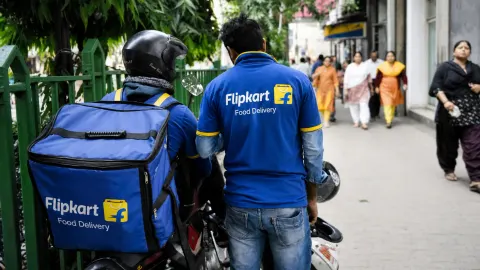
ONDC operates on a fundamentally different protocol than traditional, walled-garden e-commerce platforms. By unbundling the supply chain—separating buyer apps, seller apps, and logistics providers—it allows a local merchant or a small consumer brand to be visible across multiple buyer networks simultaneously. The financial backing from entities like Uber and Zoho is deeply strategic rather than purely fiscal. Uber is exploring ways to integrate its massive mobility and delivery infrastructure into the network, positioning itself as a core logistics provider. Concurrently, Zoho can facilitate seamless network onboarding for the millions of small to medium businesses currently utilizing its software suite. Paytm's involvement further strengthens the payment and buyer-side ecosystem, creating a comprehensive, interoperable digital commerce stack where capital and operations overlap.
The Strategic Read
This capital raise arrives at a critical juncture for Indian digital retail. ONDC is moving past its initial pilot phases and entering a period of aggressive scaling across high-frequency categories like mobility, food delivery, and fashion. The ₹220 crore provides the necessary operational runway to subsidize early adoption, improve network-wide dispute resolution mechanisms, and build robust technological infrastructure capable of handling millions of daily transactions. For legacy e-commerce players, the maturation of ONDC presents a structural threat to their historically high margins and exclusive seller agreements. If the execution holds, this open-network architecture could standardize digital commerce access in India much like UPI did for digital payments, forcing incumbent platforms to compete strictly on service quality, pricing, and logistics efficiency rather than relying on platform lock-in.
For daily, sharp analysis of the biggest moves in the Indian business and startup ecosystem, follow StartupFox.