
The Story
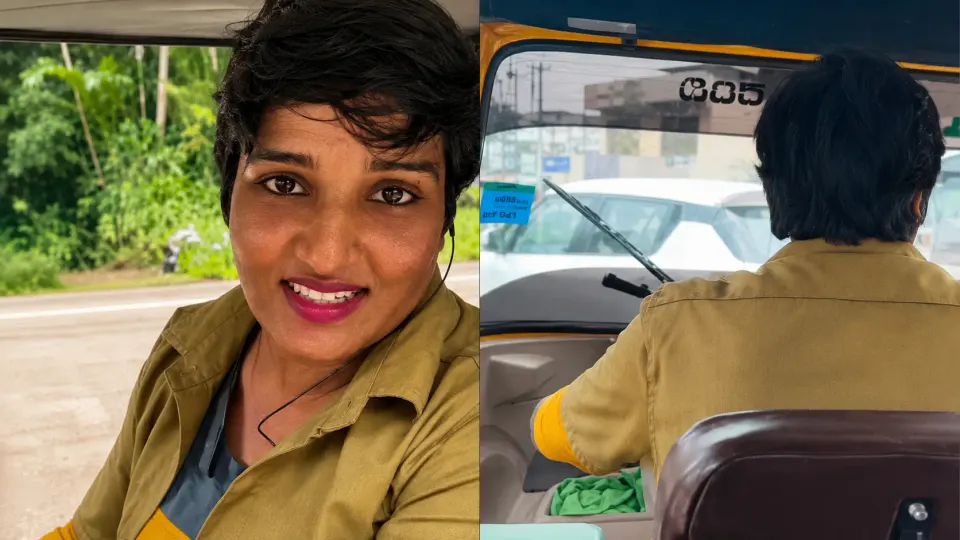
A professional woman with nine years of experience as an IT manager has resigned from her corporate career to become a commercial auto-rickshaw driver, sparking widespread economic discussion across digital platforms. According to media reports and widespread social media coverage, she now generates a consistent monthly revenue of ₹60,000 operating her three-wheeler vehicle on urban routes. The former corporate executive explicitly shared that she has experienced significantly higher levels of personal peace and mental well-being since making the unconventional switch, marking a distinct departure from traditional career expectations within India’s tech talent pool.
Why It Matters
The financial and operational reality behind earning ₹60,000 a month as an auto-rickshaw operator requires netting roughly ₹2,000 in daily take-home earnings. In Tier-1 metropolitan hubs, the rise of open-network protocols, localized digital dispatch applications, and direct peer-to-peer UPI payments has fundamentally repaired the broken unit economics of street-level transit. By leveraging direct-to-driver platforms that minimize or entirely eliminate predatory commission percentages, independent operators can preserve their gross margins effectively. When contrasted against the invisible drains of mid-level corporate employment—such as costly urban commutes, professional lifestyle maintenance, and the long-term health costs of chronic desk-bound stress—the net economic return of independent mobility operations presents a highly functional alternative for workers prioritizing real-time liquidity and absolute task ownership.
The Strategic Read
This striking career pivot points to a deeper structural friction within the hyper-competitive white-collar labor market in India. For two decades, securing an engineering or managerial title within the technology services sector was viewed as the ultimate vehicle for upward social mobility. However, as middle-management layers face compounding pressures from corporate downsizing, stagnant median salary scales, and grueling workplace hours, the premium prestige historically attached to corporate desks is depreciating. Concurrently, the entry of skilled professionals and women into urban transit, traditionally seen as an informal and male-dominated ecosystem, reveals how digital safety features, automated navigation, and transparent booking interfaces are formalizing the blue-collar economy, transforming it into an accessible harbor for independent micro-entrepreneurs seeking a clean break from corporate structures.
For daily, sharp analysis of the biggest moves in the Indian business and startup ecosystem, follow StartupFox.