

The Story
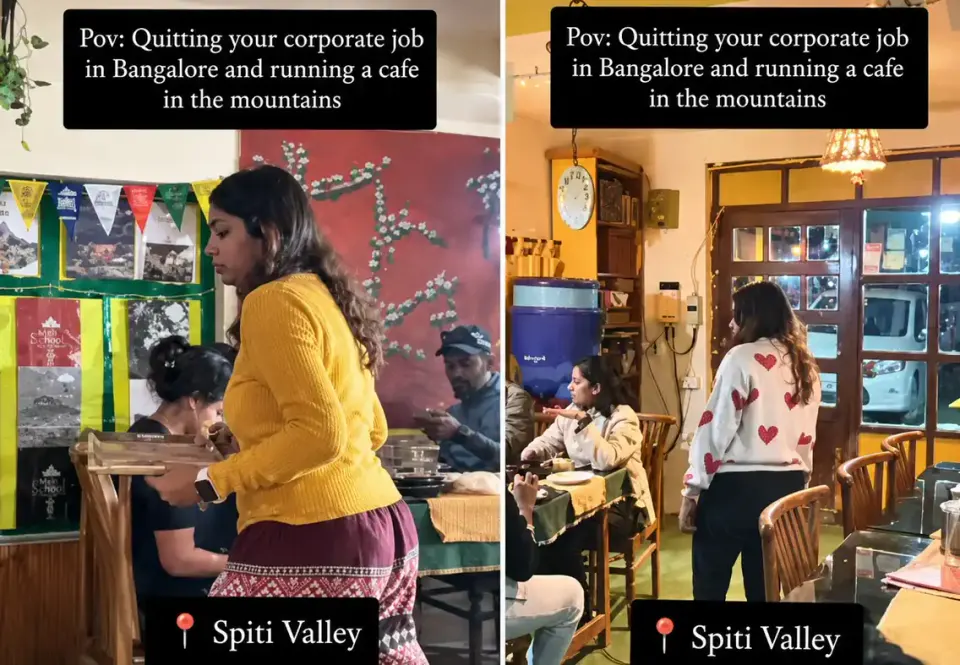
A professional based in Bengaluru has left her corporate career to set up and operate an independent cafe in Spiti Valley, Himachal Pradesh, sparking a broader conversation about professional satisfaction and work-life boundaries. The entrepreneur transitioned away from an unfulfilling desk job to build a lifestyle enterprise focused on experiential hospitality, serving tea and interacting with travelers in the remote Himalayan region. This high-interest case study documents a growing trend where white-collar workers intentionally opt out of traditional career ladders in India's tech hubs to chase autonomous, independent business formats.
Why It Matters
Running a boutique hospitality venture in a high-altitude location like Spiti Valley involves a unique set of operational and economic realities. Unlike high-rent urban environments like Bengaluru, real estate and overhead costs in remote mountain regions are significantly lower, reducing the baseline capital required to kickstart a business. However, these lower fixed costs are counterbalanced by severe seasonal dependencies, complex supply chain logistics, and weather-induced disruptions that limit the operational calendar to a few peak months per year. To achieve sustainability, these micro-entrepreneurs rely heavily on organic content creation, social media storytelling, and the rising influx of digital nomads and domestic tourists seeking authentic, slow-travel experiences that cannot be replicated by commercial hotel chains.
The Strategic Read
On a wider ecosystem level, this shift underscores the deepening crisis of corporate burnout plaguing India's primary metropolitan economic engines. For decades, the tech-driven corporate setup promised ultimate social and financial security, but long working hours, toxic office cultures, and stagnant personal fulfillment are eroding the perceived value of these roles. This outward migration of skilled talent creates a dual impact: it deprives urban corporations of experienced professionals while simultaneously formalizing the rural tourism market. By injecting corporate project management, marketing skills, and professional service standards into remote regions, these lifestyle entrepreneurs are accelerating the maturity of India's experiential travel economy, turning offbeat villages into sustainable micro-business clusters.
For daily, sharp analysis of the biggest moves in the Indian business and startup ecosystem, follow StartupFox.