
 Vedanta
The Story
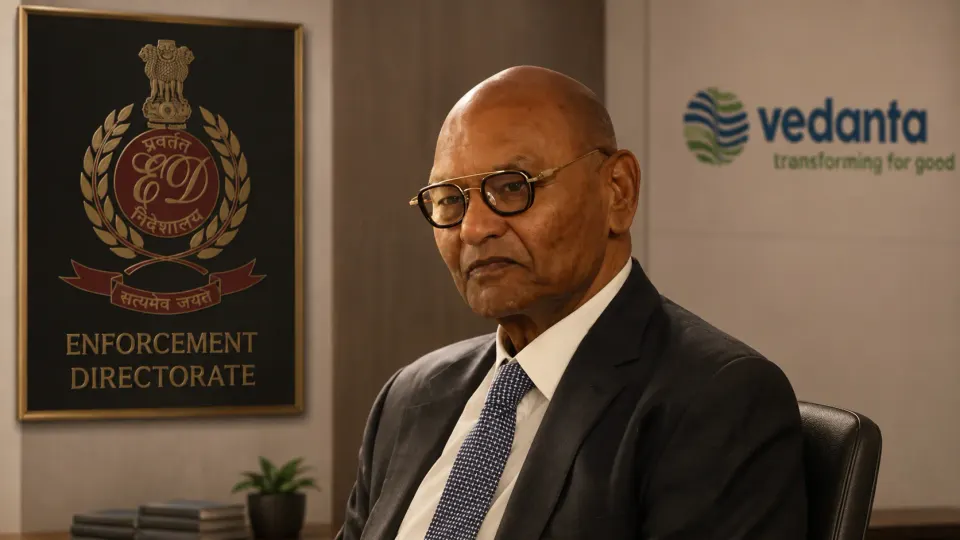
Shares of the Anil Agarwal-led Vedanta Group fell more than 4% from their intraday high on Tuesday following reports that the Enforcement Directorate (ED) initiated searches at multiple company premises. The federal agency conducted coordinated operations across offices in Mumbai, Delhi, and Udaipur as part of an ongoing investigation under the civil provisions of the Foreign Exchange Management Act (FEMA). In response to the market panic, a Vedanta spokesperson confirmed the enforcement action, stating that the conglomerate is extending full cooperation to the authorities and providing all requested information while maintaining its commitment to legal compliance.
Why It Matters
The core of this investigation centers on the complex mechanics of cross-border capital flows and corporate financial structuring. According to regulatory sources, the ED is closely examining specific foreign exchange transactions, notably a 2023 instance where Vedanta Resources—the London-based parent company—refunded a portion of brand fees to its Indian subsidiary, Vedanta Ltd. Under Indian law, the Foreign Exchange Management Act strictly regulates how capital enters and exits the country, particularly concerning royalties, brand licensing fees, and overseas remittances. When large multinational conglomerates utilize multi-jurisdictional holding structures, regulators frequently scrutinize these internal fund transfers to ensure they are not being used to bypass foreign exchange limits or misrepresent capital allocations. The current probe signals heightened vigilance by Indian authorities regarding the compliance hygiene of highly globalized domestic firms.
The Strategic Read
This regulatory action arrives at a highly sensitive juncture for the Vedanta Group, injecting unwelcome friction into its broader corporate strategy. The mining and metals giant is currently executing a massive, complex demerger plan designed to split its consolidated business into five independent, publicly listed entities—ranging from aluminium and power to oil and gas. For institutional investors and debt markets, regulatory overhang is a primary risk factor. While Vedanta's underlying asset quality and cash generation remain structurally intact, active ED investigations introduce near-term volatility, complicate debt refinancing negotiations, and have the potential to delay statutory approvals required for corporate restructuring. The market's reaction—a sharp initial sell-off followed by a cautious recovery—demonstrates that while shareholders are pricing in the regulatory risk, they are awaiting concrete findings before making long-term adjustments to their positions.
For daily, sharp analysis of the biggest moves in the Indian business and startup ecosystem, follow StartupFox.