The Story
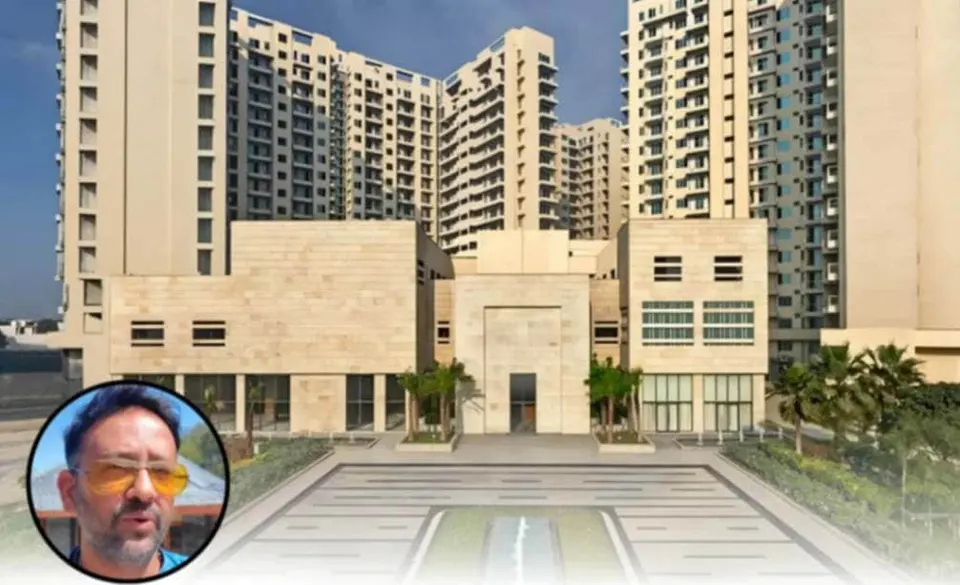
Puneet Jindal, a resident of a premium high-rise in Noida, has sparked a massive online debate about the realities of modern urban living. In a video that quickly went viral across social platforms, Jindal showcased his residential society's high-end amenities—including clubhouses, swimming pools, and sports courts—only to declare that a multi-crore flat holds "zero value" without peace of mind. He detailed the daily frustrations of high-rise living, such as poor ventilation, trapped cooking odors, and the suffocating heat generated by thousands of AC units running simultaneously in closed corridors. The most polarizing moment of his critique came when he compared urban and rural economics, bluntly stating that earning ₹25,000 in a village equates to earning ₹1 lakh in a tier-1 city due to the extreme differences in living costs and mental strain.
Why It Matters
The core of this viral moment cuts deep into the modern Indian middle-class dream, which is increasingly built on highly leveraged debt. Urban real estate prices in hubs like Noida, Gurugram, and Bengaluru have skyrocketed post-pandemic, forcing buyers into 20-year home loans that eat up 50% to 70% of their monthly salaries. This creates an endless cycle of financial anxiety where professionals are working grueling 10-hour days simply to service their debt and maintain a baseline lifestyle. Furthermore, the physical infrastructure of these mega-societies often contributes to the burnout. Developers maximize floor space ratios by cramming towers together, leading to the exact "furnace" effect Jindal described, where central courtyards trap heat and restrict fresh airflow. When you combine severe financial leverage with degrading environmental quality and high-stress commutes, the perceived value of urban luxury completely collapses. The basic math of city living is simply failing to work for the average corporate employee.
The Strategic Read
This shifting sentiment carries heavy implications for the real estate market, urban consumption patterns, and corporate remote work policies. If the aspirational value of tier-1 city living continues to erode under the weight of pollution and high interest rates, we will likely see a stronger reverse-migration trend, especially among mid-career professionals looking for a better cost-of-living arbitrage. Tier-2 and Tier-3 cities stand to gain significant economic momentum as professionals realize that a lower income in a smaller town offers considerably more disposable wealth and mental bandwidth than a six-figure salary swallowed by EMIs. For prop-tech startups, major developers, and employers, this viral debate is a clear market signal: the definition of a premium lifestyle is pivoting rapidly. Buyers are moving away from merely valuing square footage and swimming pools, and are instead prioritizing financial freedom, clean air, and actual work-life balance.
For daily, sharp analysis of the biggest moves in the Indian business and startup ecosystem, follow StartupFox.