
The Story
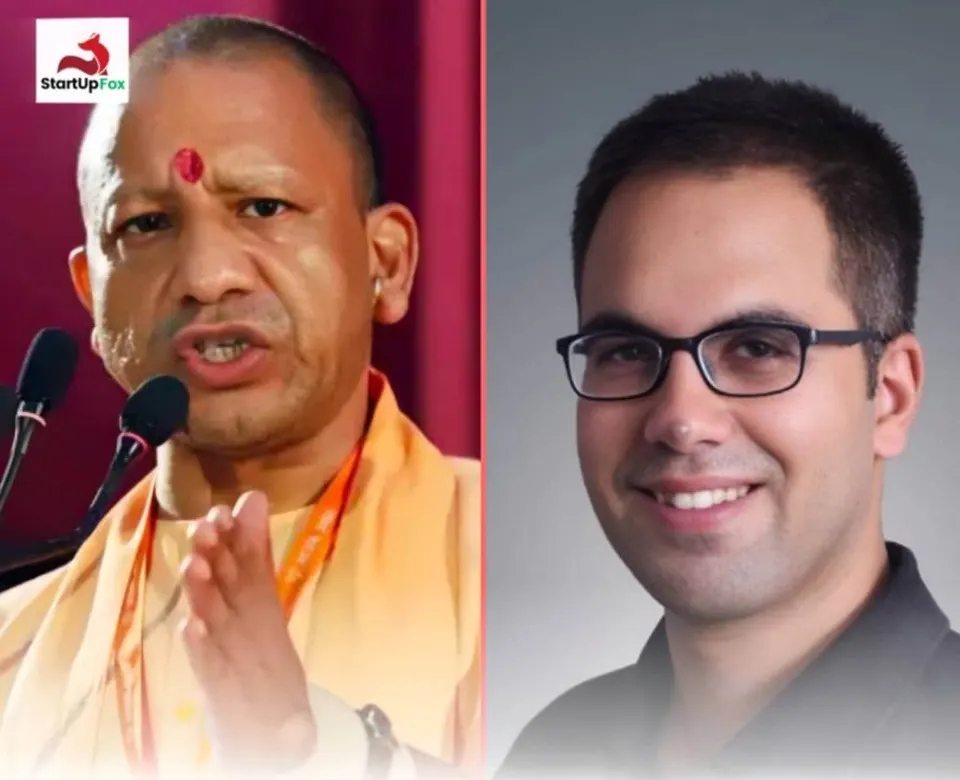
In a swift reversal that has gripped the Indian startup ecosystem, the Uttar Pradesh government has officially cancelled its ₹25,000 crore Memorandum of Understanding (MoU) with Bengaluru-based artificial intelligence startup Puch AI. Signed on March 23, 2026, with ambitious announcements from Chief Minister Yogi Adityanath regarding the creation of a new "AI Pradesh," the deal was unilaterally terminated just four days later. Invest UP, the state’s investment promotion agency, executed the cancellation after a standard protocol review revealed severe financial red flags. According to official statements, Puch AI failed to submit basic Standard Operating Procedure (SOP) documents in a timely manner. More critically, the due diligence process exposed a glaring lack of adequate net worth and an absolute absence of the credible financial linkages required to execute a massive, capital-heavy infrastructure project of this scale.
Why It Matters
To understand why this deal collapsed so spectacularly, you have to look at the massive fundamental mismatch between the scope of the MoU and the reality of the business involved. The proposed ₹25,000 crore public-private partnership was slated to build heavy, hard infrastructure: large-scale data centers, AI Parks, an AI Commons platform, and a dedicated AI University. Building out raw compute power and data centers requires billions of dollars in upfront capital expenditure, deep institutional debt structuring, and heavy venture backing. Puch AI, founded in mid-2025 by Siddharth Bhatia and Arjit Jain, is essentially a one-year-old consumer software startup offering a voice-first AI service layered over WhatsApp. The company has no disclosed institutional funding rounds, a small team, and no historical track record of deploying physical infrastructure. While the founders defended the MoU by stating it was non-binding and that the capital would be raised in phases via external private investors—meaning zero taxpayer money was at risk—the state government recognized that the startup simply lacked the balance sheet, the banking relationships, or the venture capital leverage to act as a credible anchor for a project larger than the valuation of most Indian unicorns.
The Strategic Read
This entire episode serves as a harsh stress test for India's ongoing "MoU culture." For years, state governments have treated investment summits and MoUs as political signaling tools, racing to announce the highest headline numbers to position their states as hubs for emerging technologies. However, when a government announces a multi-billion dollar partnership with an unvetted, early-stage startup, it backfires, severely damaging the credibility of state investment agencies. The rapid backlash from the tech community—who immediately pointed out the startup's capacity constraints and history of viral marketing stunts—forced the UP government into an embarrassing, highly public retraction. Moving forward, this will likely force state IT ministries and investment arms to implement strict, upfront financial gating before allowing any founder to share a stage with a Chief Minister. It is a necessary correction that protects the public sector from headline-hunting, while ensuring that genuine deep-tech and infrastructure companies do not have to compete with vanity metrics.
For daily, sharp analysis of the biggest moves in the Indian business and startup ecosystem, follow StartupFox.