The Story
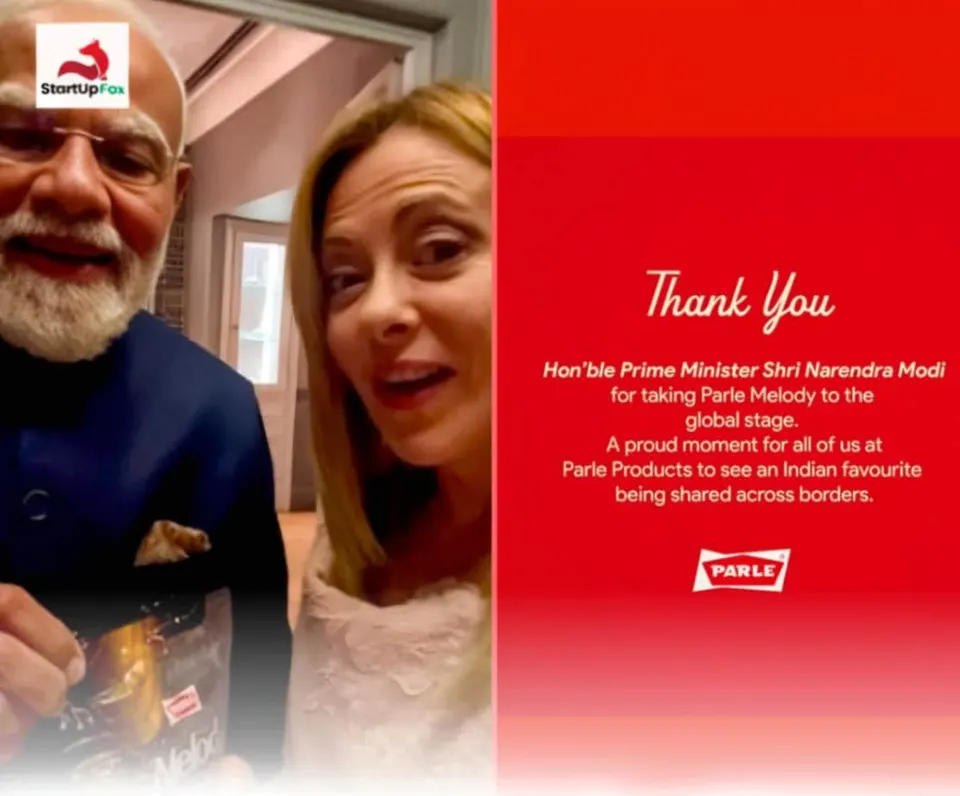
Prime Minister Narendra Modi’s decision to gift a packet of Parle Melody toffees to Italian Prime Minister Giorgia Meloni during his diplomatic visit to Rome has triggered a massive viral marketing moment. Leaning heavily into the popular internet moniker "#Melodi", Meloni shared a video thanking Modi for the "very, very good toffee," which immediately flooded social media channels globally. Parle Products, the privately held legacy FMCG giant behind the candy, swiftly responded with a public statement and digital creatives thanking PM Modi for taking an iconic Indian household brand to the global stage. Parle's Vice President, Mayank Shah, capitalized on the momentum, noting that the unexpected endorsement provides immense visibility for a product already exported to over 100 countries, while also firmly clarifying to the financial markets that the company currently has no plans for an initial public offering (IPO).
Why It Matters
To understand the true value of this moment, one must look at the cost mechanics of modern attention. Generating authentic, high-impact virality is incredibly expensive, often requiring massive influencer budgets, coordinated PR campaigns, and heavy paid media distribution. In this instance, a ₹1 toffee secured unquantifiable global brand endorsement from two prominent heads of state at an absolute zero customer acquisition cost (CAC). For a legacy brand like Parle, which operates on high-volume, low-margin unit economics, top-of-mind recall is the primary driver of shelf off-take. The diplomatic exchange tapped directly into a pre-existing cultural meme, ensuring algorithmic acceleration across platforms like X and Instagram without Parle needing to force a corporate narrative. It perfectly demonstrates how geopolitical soft power can inadvertently act as the ultimate performance marketing engine, bypassing traditional advertising bottlenecks to drive immediate consumer demand.
The Strategic Read
Beyond the marketing victory, the event exposed a fascinating, albeit concerning, behavioral quirk in the Indian retail investing market. Immediately following the viral video, retail traders blindly rushed to buy shares of a listed entity named "Parle Industries"—driving the stock to hit its 5% upper circuit—despite the company being entirely unrelated to the FMCG manufacturer and operating instead in real estate and waste management. This irrational exuberance highlights the potent, sometimes chaotic influence of social media trends on Dalal Street and the prevailing lack of foundational research among retail investors. Zooming out, this episode reinforces the structural moat held by legacy Indian FMCG conglomerates. While venture-backed direct-to-consumer (D2C) brands burn heavy capital on digital acquisition to build trust, heritage brands like Parle rely on decades of embedded nostalgia, proving that cultural equity remains a formidable barrier to entry that venture money alone cannot replicate.
For daily, sharp analysis of the biggest moves in the Indian business and startup ecosystem, follow StartupFox.