The Story
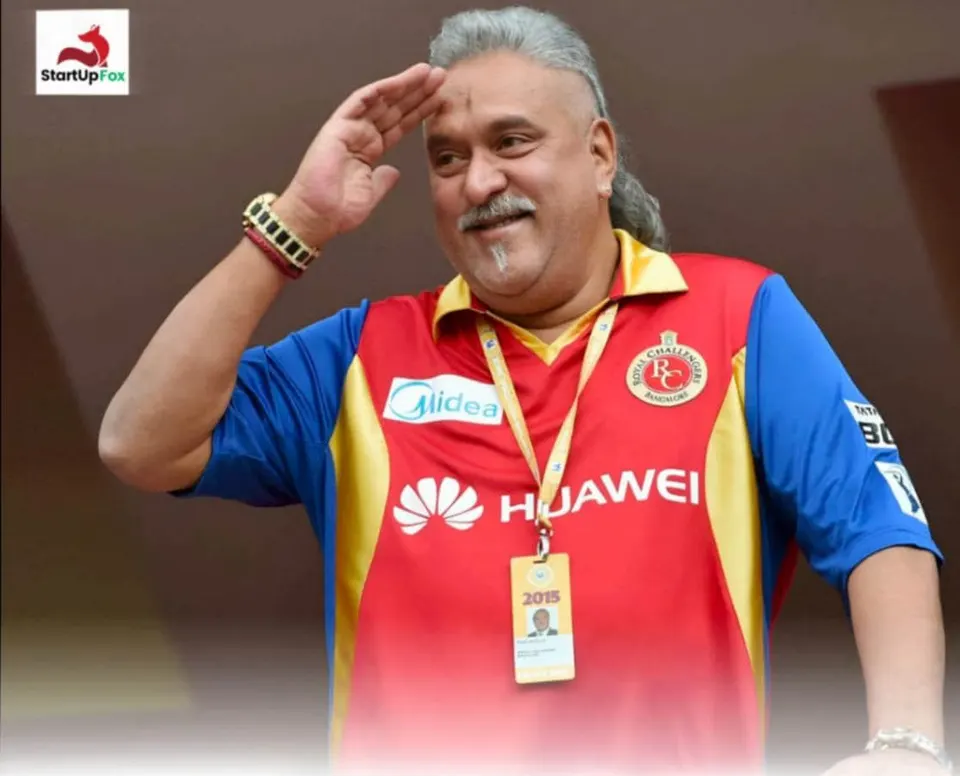
Royal Challengers Bengaluru (RCB) has officially been acquired in a record-breaking ₹16,660 crore ($1.78 billion) all-cash buyout, marking the largest franchise transaction in the history of the Indian Premier League. United Spirits Limited (USL) offloaded the team to a heavyweight consortium led by the Aditya Birla Group, which includes private equity giant Blackstone, The Times of India Group, and David Blitzer’s Bolt Ventures. The sheer scale of the exit prompted a rare public reaction from original owner Vijay Mallya, who noted the immense gratification of watching his initial ₹450 crore purchase from 2008 multiply nearly 37 times in value. Mallya recalled that early critics dismissed the acquisition as an extravagant vanity purchase, a narrative that has now been permanently rewritten by this historic multi-billion-dollar valuation.
Why It Matters
This buyout is driven by the fundamental shift in how sports properties are monetized in the modern media economy. For the acquiring consortium, RCB is no longer just a cricket team; it is a globally recognized, high-yield intellectual property with a massively engaged direct-to-consumer audience. The Aditya Birla Group secures unparalleled, year-round brand visibility that traditional advertising simply cannot replicate, while Blackstone views this through the lens of a perpetual private equity cash-flow asset. The unit economics of the IPL have matured drastically over the last two decades. With central broadcasting rights guaranteeing a highly lucrative baseline of revenue, combined with localized gate receipts, massive merchandise potential, and premium sponsorships, the financial downside risk is remarkably low. The original strategy in 2008 was simply to build brand recall for 'Royal Challenge' liquor. Today, the mechanics are entirely different: it is about leveraging a captive digital ecosystem, anchored by the enduring legacy of Virat Kohli, to drive long-term institutional returns.
The Strategic Read
This $1.78 billion transaction fundamentally resets the valuation baseline for major sports franchises worldwide and signals the complete institutionalization of the Indian sports market. We are witnessing the end of the era where IPL teams were viewed merely as non-core assets or personal passion projects by local corporate houses. USL's decision to exit reflects a disciplined corporate strategy to shed non-beverage operations, but more importantly, the entry of Blackstone and Bolt Ventures proves that Indian cricket is now a mature asset class capable of absorbing massive institutional capital. This deal will force a recalibration across the entire global sports industry, proving that the IPL's financial gravity now aggressively rivals legacy Western leagues like the NFL and the English Premier League. It sets a hard precedent that will likely trigger a wave of secondary transactions and structural adjustments, as early franchise owners realize they are sitting on highly liquid, multi-billion-dollar goldmines.
For daily, sharp analysis of the biggest moves in the Indian business and startup ecosystem, follow StartupFox.