
The Story
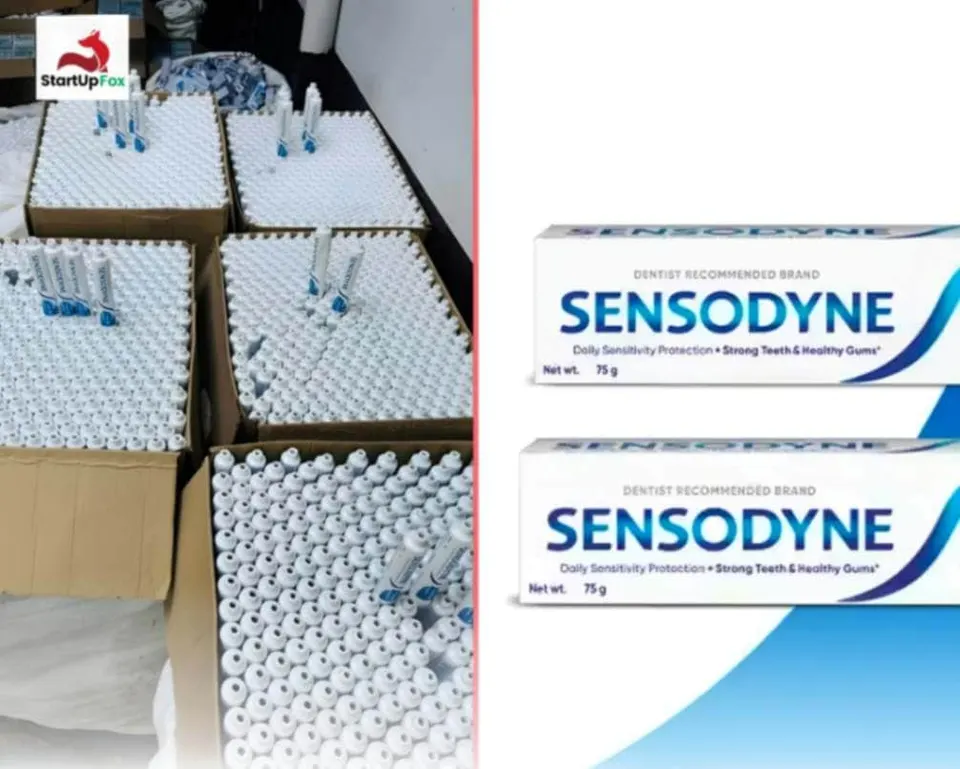
In a major crackdown on counterfeit consumer goods, the Delhi Police Crime Branch has dismantled an illegal manufacturing facility in Kanjhawala, Northwest Delhi, that was producing fake Sensodyne toothpaste. During the raid, authorities arrested the factory owner, 58-year-old Hariom Mishra, and detained six workers found filling empty branded tubes with cheap, locally sourced chemical paste. The scale of the operation was significant: police seized roughly 13,000 counterfeit tubes, including over 2,000 filled and retail-ready units, alongside 130 kilograms of raw blue paste, sealing machines, and chemical drums. According to officials, the facility operated without any valid licenses and manufactured the products in highly unhygienic conditions, using unknown bleaching agents and unregulated fluoride mixtures that pose serious public health risks.
Why It Matters
FMCG counterfeiting is not a random crime of opportunity; it is a highly calculated, margin-driven parallel economy. Premium, specialized products like Sensodyne—positioned specifically for dental sensitivity and commanding a higher retail price than standard toothpastes—are prime targets for replication. The unit economics for counterfeiters are exceptionally lucrative. By mixing basic, low-cost chemicals in drums and investing heavily only in high-quality packaging and printing machines to replicate the brand's visual identity, illicit operators achieve massive margin arbitrage. They then push these products through India's highly fragmented, unorganized retail sector. Local kirana stores and secondary wholesale markets often operate with low bill compliance and prioritize higher dealer margins, making them easy entry points for fake goods that are visually indistinguishable from the original to the average consumer.
The Strategic Read
This bust exposes a critical vulnerability in the offline distribution networks of legacy FMCG corporations. When consumers purchase everyday essentials from local shops, the implicit trust placed in a recognized brand is severely broken if the product turns out to be toxic. For the broader industry, including emerging D2C personal care brands scaling into offline markets, this serves as a harsh reminder of the importance of supply chain integrity. Companies will increasingly need to invest in anti-counterfeiting technologies such as dynamic QR codes, tamper-evident packaging, and strict distributor audits to protect their brand equity. Furthermore, as news of such raids spreads across social media, consumer behavior shifts. Shoppers become more skeptical of unverified local retailers and accelerate their migration toward established e-commerce and quick-commerce platforms, where supply chains are tighter and product authenticity is generally guaranteed by the platforms themselves.
For daily, sharp analysis of the biggest moves in the Indian business and startup ecosystem, follow StartupFox.