
 Anthropic
The Story
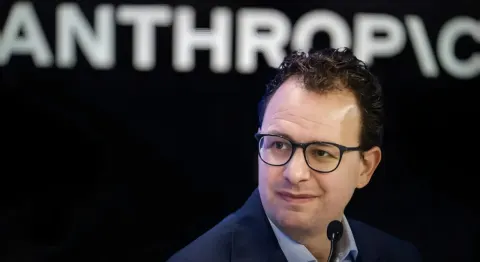
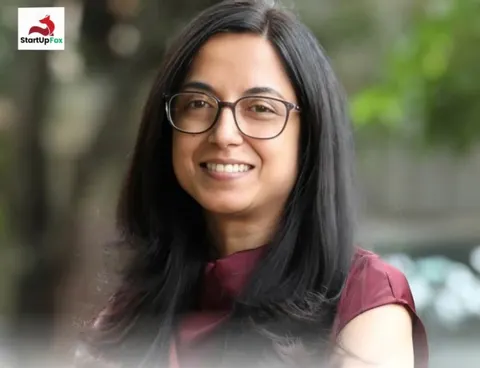
In a major strategic move that bridges advanced artificial intelligence with global pharmaceutical development, Anthropic has officially appointed Novartis CEO Vas Narasimhan to its board of directors. The appointment, executed by the Anthropic Long-Term Benefit Trust, marks the first time a chief executive from the pharmaceutical industry has taken a leadership role at the AI firm. With this addition, the independent, trust-appointed directors now hold a majority of the board seats, solidifying a unique corporate structure designed to balance commercial growth with public benefit. Narasimhan, an Indian-origin physician-scientist who has steered Novartis through numerous clinical breakthroughs, joins a high-profile board that includes Anthropic co-founders Dario and Daniela Amodei, Netflix chairman Reed Hastings, and Confluent CEO Jay Kreps. The decision aligns directly with the recent launches of Claude for Life Sciences and Claude for Healthcare, signaling the company's aggressive pivot toward enterprise applications in tightly controlled markets.
Why It Matters
The fundamental motivation behind this appointment is market access and regulatory navigation. Foundational AI models are incredibly expensive to train, and while consumer subscriptions generate steady revenue, the real financial returns lie in becoming the core infrastructure for legacy industries. Drug discovery and clinical trials represent one of the most capital-intensive bottlenecks in the global economy, often requiring over a decade and billions of dollars to bring a single molecule to market. Anthropic recognizes that artificial intelligence can drastically compress target identification and disease biology analysis, but building the technology is only half the battle. The life sciences sector is governed by stringent frameworks like HIPAA compliance and FDA approval pipelines. Narasimhan has overseen the development and regulatory approval of more than 35 novel medicines. Anthropic needs his specific, tactical experience to ensure their AI models can actually be deployed safely in clinical settings without triggering regulatory backlash. He brings the exact operational playbook required to scale software inside a high-stakes, zero-error environment.
The Strategic Read
Zooming out, this board expansion is a strong indicator of where the broader AI arms race is heading. The competition between players like OpenAI, Google, and Anthropic is shifting away from generalized chatbots and toward specialized, domain-specific dominance. By securing a sitting CEO of a major pharmaceutical giant, Anthropic is building a defensive moat in the healthcare vertical, positioning Claude as the default AI engine for biomedical research. Furthermore, this move serves as a critical governance milestone ahead of a heavily rumored initial public offering. Unlike the chaotic boardroom dynamics seen at some competitors, Anthropic is using its Long-Term Benefit Trust to systematically bring in serious, seasoned operators from regulated sectors. This reassures institutional investors that the company possesses the mature oversight necessary to navigate the public markets. Ultimately, it proves that the next phase of the AI boom will not just be led by software engineers, but by domain experts who understand how to integrate computational power into the physical economy.
For daily, sharp analysis of the biggest moves in the Indian business and startup ecosystem, follow StartupFox.