The Story
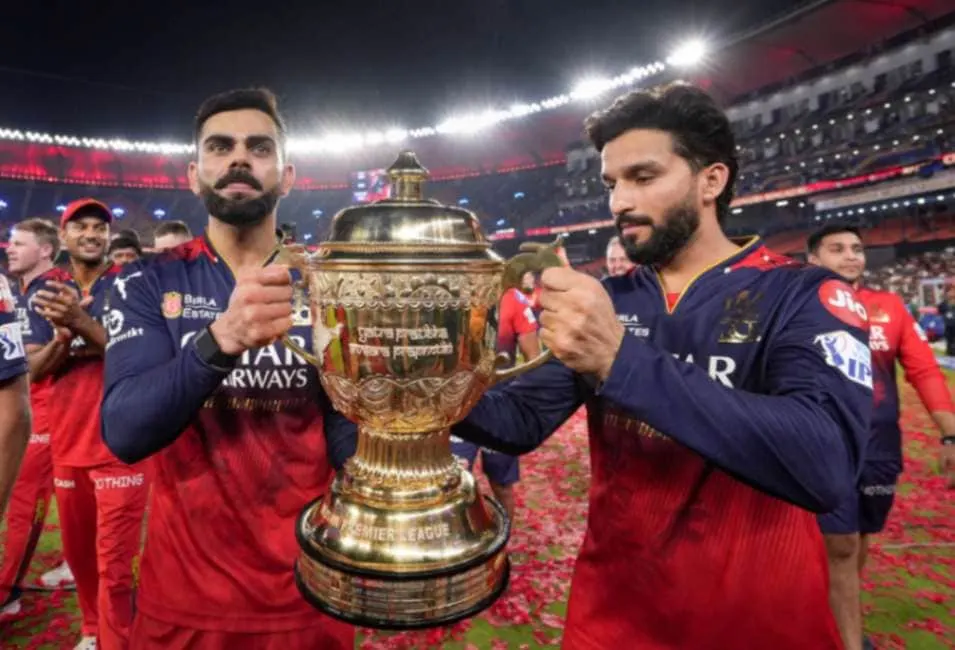
In a landmark move for the Indian sports economy, United Spirits Limited (USL), a subsidiary of Diageo, has agreed to sell its 100% equity stake in Royal Challengers Sports Private Limited (RCSPL) for a staggering ₹16,660 crore ($1.78 billion). The all-cash transaction transfers ownership of the Royal Challengers Bengaluru (RCB) IPL and WPL franchises to a powerful consortium. This buyer group includes the Aditya Birla Group, The Times of India Group, American investor David Blitzer’s Bolt Ventures, and Blackstone’s perpetual private equity strategy (BXPE). The deal successfully concludes a strategic review initiated by USL in November 2025, establishing a new high-water mark for sports franchise valuations in India.
Why It Matters
Diageo's core competency lies in the global beverage alcohol market, not in managing sports and entertainment properties. Despite RCB being the most commercially successful franchise in the league—boasting massive merchandising revenue, intense fan loyalty, and premium sponsorship rates—operating a cricket team requires an entirely different capital and management structure. For USL, offloading this asset unlocks massive immediate cash flow to reinvest into their primary liquor brands and distribution networks. On the buyer side, this consortium represents a perfect alignment of strategic interests. Aditya Birla Group gains a massive consumer-facing brand asset, The Times of India Group brings media and marketing leverage, while Blackstone and Bolt Ventures inject aggressive private equity capital and global sports management expertise, treating the franchise as an appreciating media and real estate asset rather than a corporate vanity project.
The Strategic Read
This ₹16,660 crore buyout signals the financial maturation of the Indian Premier League, transitioning franchise ownership from legacy corporate promoters to institutional investors and specialized sports equity groups. Global private equity recognizes the IPL not just as a domestic cricket tournament, but as a highly profitable global media product with inelastic consumer demand. With broadcasting rights continuing to soar, the unit economics of owning an IPL team now rival those of the NBA or the English Premier League. This transaction proves that institutional capital views Indian sports as a highly liquid, high-return asset class. For the broader ecosystem, expect remaining franchise valuations to undergo immediate upward re-rating, likely triggering further mergers, acquisitions, and partial stake sales as early investors look to cash out at peak multiples.
For daily, sharp analysis of the biggest moves in the Indian business and startup ecosystem, follow StartupFox.