
The Story
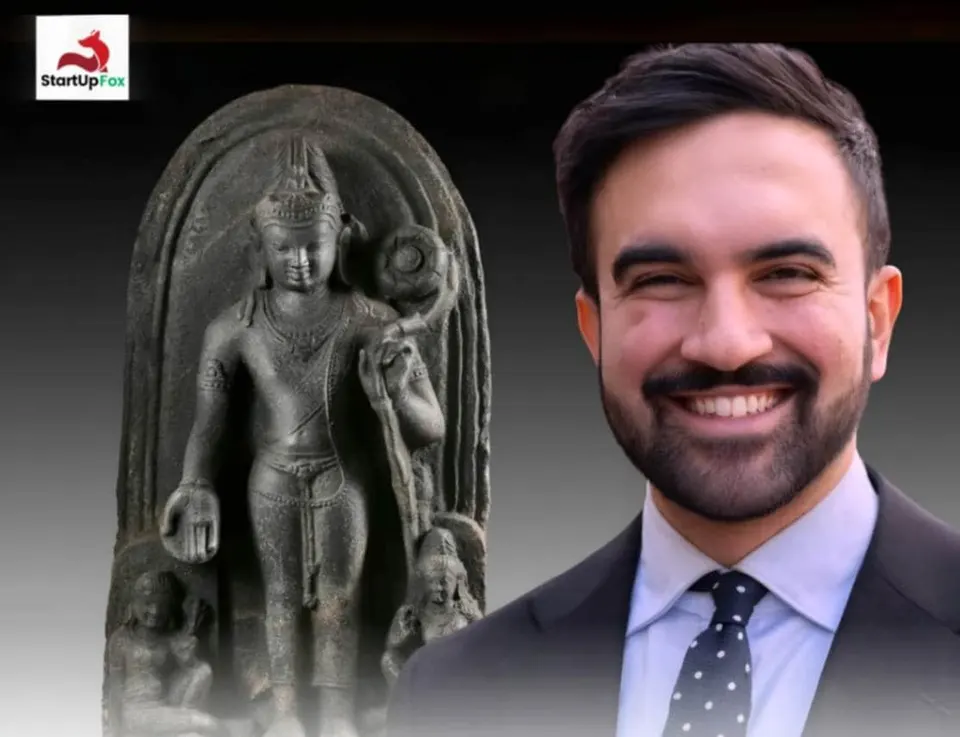
Manhattan District Attorney Alvin Bragg and United States authorities have officially handed over 657 stolen antiquities to India, a collection valued at nearly $14 million. The restitution, received by India's Consulate General in New York, concludes a massive multinational investigation into disgraced art dealers and international trafficking networks. The recovery coincides with renewed geopolitical conversations surrounding colonial plunder, highlighted recently by New York City Mayor Zohran Mamdani’s public remarks pressing King Charles III to return the Kohinoor diamond during the monarch's visit to the United States.
Why It Matters
The mechanics of the global art market have historically relied on a purposeful lack of provenance tracking, allowing illicit networks to funnel artifacts from local Indian temples into elite Manhattan galleries and private collections. This massive return is the result of the systematic legal dismantling of legacy smuggling rings, particularly those operated by convicted figures like Subhash Kapoor and Nancy Wiener. Homeland Security Investigations (HSI) and the Manhattan District Attorney are aggressively pursuing these cases not merely as property theft, but as major transnational organized crime. The economics of the illegal antiquity trade rely heavily on forged ownership documents and the willful blindness of prestigious auction houses. By prosecuting the facilitators and seizing the assets, law enforcement is rapidly closing the regulatory loopholes that previously made cultural looting a highly profitable enterprise.
The Strategic Read
For India, the physical return of high-value heritage assets—such as a $2 million Avalokiteshvara bronze and a $7.5 million sandstone Buddha—is more than cultural recovery; it is a vital assertion of geopolitical soft power. The global narrative on restitution is forcing Western institutions and high-net-worth collectors to aggressively audit their inventories as the reputational and legal risks skyrocket. As political figures like Mamdani leverage high-profile diplomatic visits to demand accountability for historical extractions like the Kohinoor, the pressure on international museums and legacy collectors intensifies. This represents a structural correction in the international heritage economy, shifting leverage back to nations of origin and establishing a strict new standard for cultural diplomacy and international property rights.
For daily, sharp analysis of the biggest moves in the Indian business and startup ecosystem, follow StartupFox.