
 Snabbit
The Story
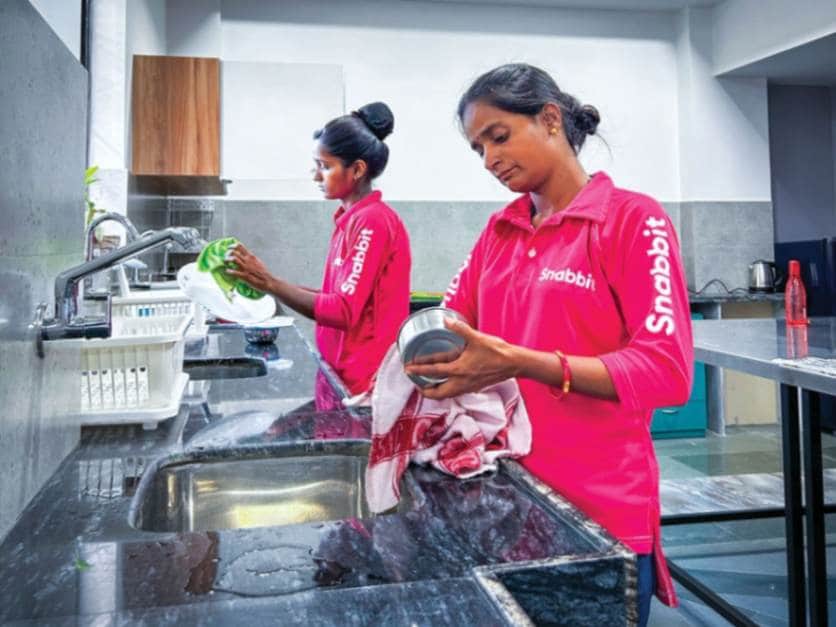
Snabbit, an emerging player in the on-demand home services sector, has successfully closed a $56 million Series D funding round. The investment was co-led by a consortium of prominent global and domestic investors, including Susquehanna Venture Capital, Mirae Asset Venture Investments (India), Unicorn Growth Fund, and Bertelsmann India Investments (BII). This substantial capital injection marks a critical growth milestone for the quick-services platform as it looks to aggressively scale its operational footprint, introduce new service lines, and solidify its balance sheet in a highly competitive consumer market.
Why It Matters
The strategic rationale behind this $56 million round hinges on the unit economics of localized service delivery and the need for higher customer lifetime value (LTV). In the home services business, initial customer acquisition costs can be steep, meaning platforms must drive repeat usage to achieve long-term profitability. By allocating these funds toward introducing "more frequently used services," Snabbit is directly attempting to solve this retention puzzle. The goal is to move beyond occasional, high-ticket repairs or deep cleaning and integrate into the daily or weekly routines of urban households. Furthermore, densifying their presence in existing markets allows for better route optimization for their service partners, reducing idle time between gigs and improving margins on a per-task basis.
The Strategic Read
Snabbit's successful fundraise indicates that the Indian home services market is far from a winner-take-all scenario dominated solely by legacy incumbents. Institutional investors clearly see room for challengers who can optimize specific verticals or regional logistics. This Series D will likely trigger localized pricing or promotional battles as Snabbit enters new cities, forcing competitors to tighten their service quality and re-evaluate their partner payout structures to retain skilled labor. More broadly, it highlights a structural maturation in the utility and service sector; investors are backing the standardization of unorganized labor and the creation of trusted in-home brands, a segment that still holds massive untapped potential across India's tier-2 and tier-3 cities.
For daily, sharp analysis of the biggest moves in the Indian business and startup ecosystem, follow StartupFox.