The Story
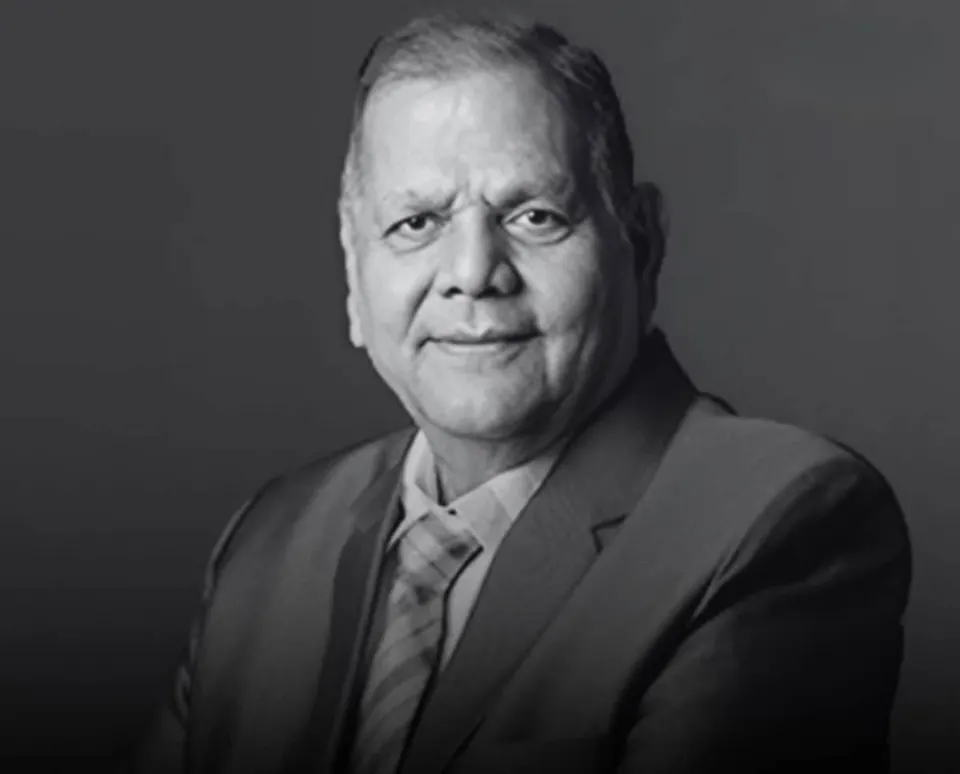
Bikaji Foods International Limited has announced the passing of its founder, Chairman, and Whole-Time Director, Shiv Ratan Agarwal. The 74-year-old entrepreneur died on Thursday morning in Chennai after complaining of uneasiness, which was later confirmed as a fatal heart attack. Agarwal was in the city attending to his wife, who had recently undergone bypass surgery. The news marks a highly significant moment for the Indian Fast-Moving Consumer Goods (FMCG) sector, mourning the loss of an operator who effectively scaled traditional Bikaneri snacks into a massive publicly listed entity. As of his passing, Bikaji Foods boasts a market capitalization exceeding Rs 17,200 crore, a stark metric of the corporate empire Agarwal built from the ground up over the last three decades.
Why It Matters
Understanding Agarwal’s success requires looking at the historical mechanics of the Indian ethnic snack market. Shiv Ratan Agarwal was the grandson of Gangabishan Agarwal, the original founder of the Haldiram business established in the 1930s. When a geographical division of the family enterprise occurred in the 1980s, Shiv Ratan Agarwal was allotted the relatively smaller Bikaner market in Rajasthan, while other factions received the more lucrative Delhi and Nagpur territories. Dissatisfied with these geographical constraints, Agarwal chose an independent path. He moved to establish his own manufacturing unit, initially under the name Shivdeep Foods Products, and rebranded to 'Bikaji' in 1993—a nod to Rao Bika, the historical founder of Bikaner. The strategic brilliance lay in his aggressive push for modern packaging, extended shelf life, and rigorous supply chain management. By standardizing the production of traditional bhujia and namkeen, he solved the unit economics of shipping regional ethnic snacks across state lines and eventually international borders, turning a localized cottage industry into a standardized, organized FMCG powerhouse.
The Strategic Read
The passing of Shiv Ratan Agarwal prompts a broader examination of the packaged foods ecosystem in India and what comes next for Bikaji Foods. The company holds roughly a 74% promoter stake, and the immediate operational mandate shifts heavily to the next generation of leadership and the existing board to ensure business continuity without their foundational architect. For the wider FMCG sector, Agarwal's playbook remains the definitive blueprint for regional brands attempting to scale nationally. He proved that deep-rooted ethnic flavors, when paired with stringent corporate governance and an aggressive distribution network, can fiercely rival multinational snack giants operating in India. Furthermore, as international demand from the Indian diaspora continues to grow, Bikaji's established export channels give it a structural advantage. While the leadership transition will naturally be under tight scrutiny by the public markets, the sheer momentum of the distribution network and brand equity Agarwal cemented ensures that Bikaji will remain a formidable anchor in the Indian snack category.
For daily, sharp analysis of the biggest moves in the Indian business and startup ecosystem, follow StartupFox.