The Story
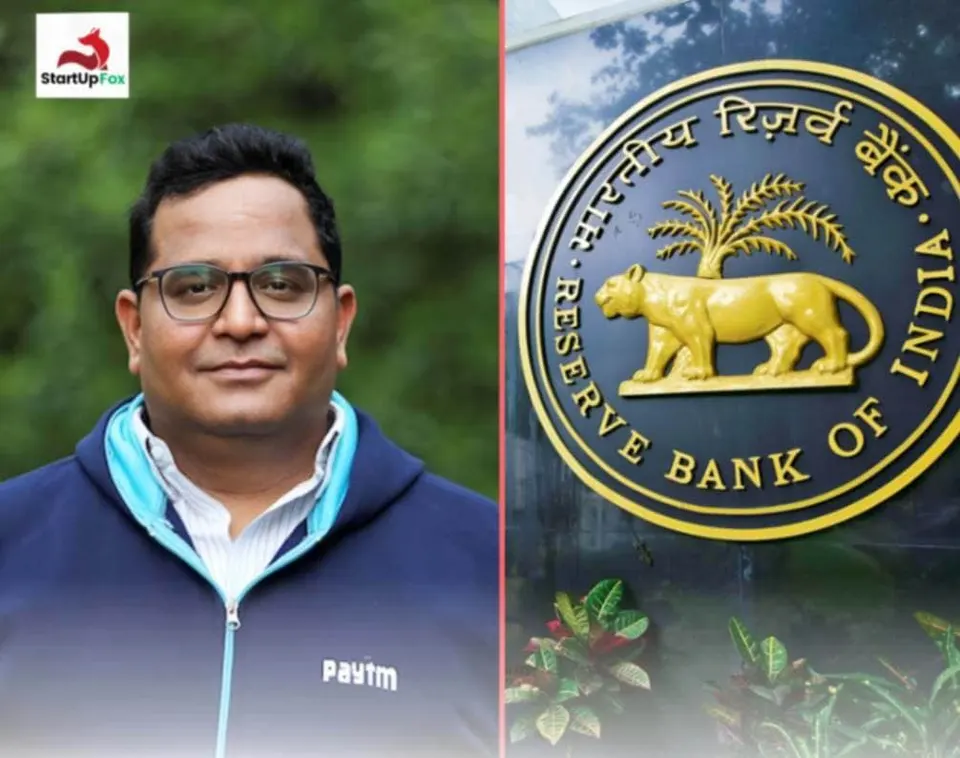
The Reserve Bank of India has officially cancelled the banking licence of Paytm Payments Bank Limited, effective immediately, bringing an unceremonious end to one of the country's most high-profile financial experiments. Acting under Section 22(4) of the Banking Regulation Act, 1949, the regulator prohibited the entity from undertaking any banking or related business. Beyond just revoking operational rights, the central bank announced it will apply to the High Court to formally wind up the institution. The RBI confirmed that the bank possesses adequate liquidity to settle its existing deposit liabilities during the liquidation process, ensuring that remaining retail depositors are not left stranded.
Why It Matters
The RBI’s unprecedented decision stems from a sustained pattern of non-compliance and systemic governance failures that the regulator deemed harmful to both depositors and the broader financial ecosystem. According to the central bank's notification, the affairs of Paytm Payments Bank were repeatedly conducted in a manner detrimental to its own interests, violating core licensing conditions. The regulator explicitly noted that the general character of the management was prejudicial to public interest. This final action is the culmination of a multi-year standoff; the RBI first restricted the bank from onboarding new customers in March 2022, followed by a severe crippling of its operations in early 2024 when it halted all fresh deposits, credits, and top-ups across accounts and wallets. The failure to rectify these deep-rooted infrastructural and compliance deficits ultimately left the regulator with no choice but to force a hard shutdown.
The Strategic Read
The cancellation of the licence sends a chilling, unambiguous signal to the entire Indian fintech sector: regulatory compliance cannot take a backseat to aggressive scale and customer acquisition. For years, fintech operators operated in a gray zone, assuming that massive consumer bases offered a protective shield against terminal regulatory action. The RBI has now shattered that assumption, proving it is willing to dismantle a systemic entity if governance standards are compromised. For the broader market, this cements the boundary lines for payments banks, a model that has historically struggled with viability and unit economics. While Paytm's parent company, One97 Communications, has already decoupled much of its core UPI and payment aggregator business from the payments bank, the reputational damage and the loss of internal banking infrastructure will require a massive strategic pivot to maintain trust with enterprise partners and retail merchants alike.
For daily, sharp analysis of the biggest moves in the Indian business and startup ecosystem, follow StartupFox.