 Rapido
The Story
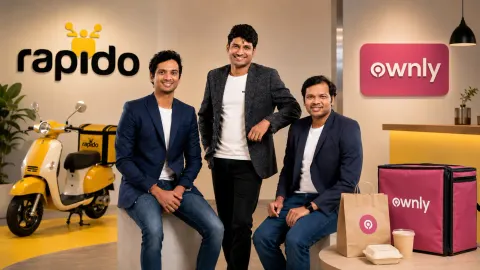
Rapido has secured $240 million in a fresh primary funding round led by Dutch technology investor Prosus, valuing the Bengaluru-based mobility platform at $3 billion on a post-money basis. Existing investors, including WestBridge Capital and Accel, also participated heavily in the transaction. This capital injection is a crucial component of a much broader $730 million financing effort currently being finalized by the company, which includes both primary and secondary components. Co-founded by Aravind Sanka in 2015, the startup plans to deploy the capital to aggressively expand its presence across high-growth markets, strengthen first- and last-mile connectivity, and double down on investments in talent and technology to support long-term scaling efforts.
Why It Matters
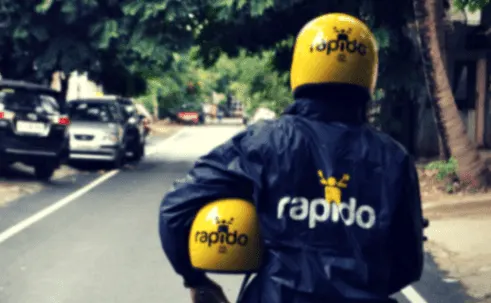
The core strategy driving this massive capital raise is a deliberate pivot toward the vast, underserved demand in Tier-2 and Tier-3 Indian cities. While legacy players like Uber and Ola have traditionally fought for dominance in heavily congested, premium Tier-1 markets, Rapido recognizes two distinct structural gaps emerging as India's economic growth shifts beyond the metros: the lack of reliable, affordable multi-modal mobility for users, and the absence of flexible, dignified earning opportunities for driver-partners. Rapido is positioning itself at the intersection of these two gaps. By focusing on a supply-led approach, the company is building deep density in fragmented markets. This density creates a predictable earning environment for its "captains," which in turn ensures service reliability for commuters. The funds will allow Rapido to fortify this supply side, expanding its ecosystem of bike taxis, auto-rickshaws, and cabs to offer a comprehensive transport alternative where public infrastructure often falls short.
The Strategic Read
This $3 billion valuation marks a critical maturation point for the Indian ride-hailing sector. It validates the thesis that the future of domestic mobility is not purely about premium four-wheeler services in major cities, but rather about high-frequency, low-cost transit operating at immense scale across hundreds of smaller towns. Prosus’s aggressive backing signals strong institutional belief in Rapido’s multi-modal, cost-effective model over the cash-burn strategies of the past decade. If Rapido can successfully defend its operational efficiency and build a loyal supply network outside the metros, it establishes a highly defensible moat. This moves the company from being a simple bike-taxi alternative to becoming the default operating system for daily transit and local commerce in middle India, posing a severe, long-term structural challenge to the global mobility giants operating in the country.
For daily, sharp analysis of the biggest moves in the Indian business and startup ecosystem, follow StartupFox.