
The Story
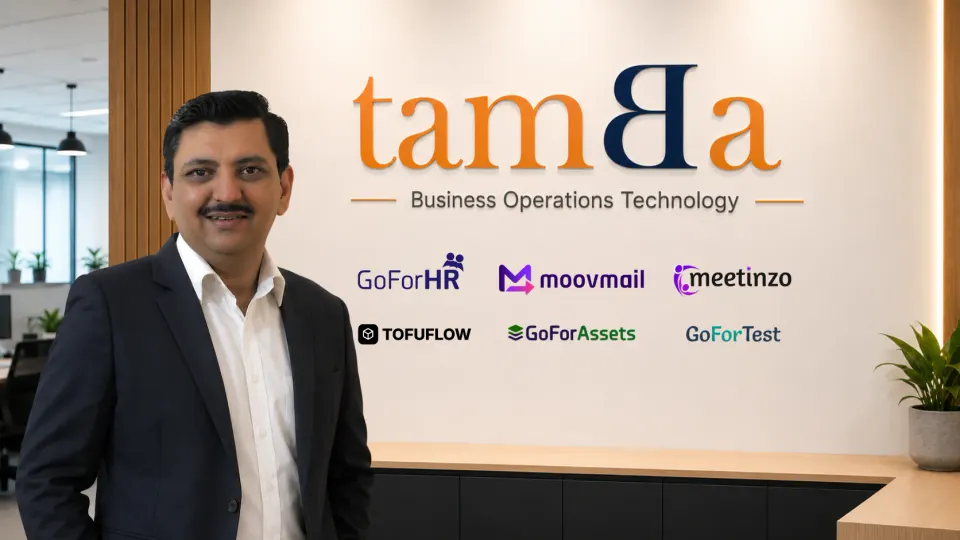
A former HR leader Amit Chilka with an extensive background at IT giants Wipro and Cognizant has chosen to exit the traditional corporate ladder at the age of 45. Backed by a financial corpus of ₹1 crore, the executive has relocated to Dehradun. The move is a calculated financial maneuver designed to drastically reduce monthly living expenses from a typical metro burn rate of ₹1.5 lakh down to a highly manageable ₹50,000. Instead of absolute retirement, the strategy involves transitioning to an independent consulting model, generating enough active income to cover the reduced living costs without needing to draw down the principal investment.
Why It Matters
This is a classic, practical execution of the "Coast FIRE" (Financial Independence, Retire Early) philosophy combined with geographic arbitrage. In the current economic climate, a ₹1 crore corpus is generally considered insufficient for a full retirement in an Indian metropolitan city, especially for someone only 45 years old with decades of life expectancy ahead. However, by changing the location variable, the mathematical equation shifts entirely. Tier-2 and Tier-3 cities like Dehradun offer significantly lower real estate costs, reduced lifestyle inflation, and a lower baseline cost of essential services. By cutting the monthly burn by nearly 66%, the executive extends the runway of the existing corpus indefinitely, provided they can generate a modest baseline of ₹50,000 per month through independent consulting. This structure allows the ₹1 crore to remain fully invested and compound over the next twenty years, rather than being rapidly depleted by high urban living costs.
The Strategic Read
This individual case highlights a growing structural trend among mid-to-senior level professionals across the Indian IT and corporate sectors. Persistent burnout, stagnant real wage growth at the middle-management level, and the realization that aggressive wealth generation is heavily offset by exorbitant urban living costs are pushing experienced talent out of the standard employment model. The maturation of remote work infrastructure and the rising acceptance of fractional consulting make this transition viable. For massive corporations, this signals a potential brain drain of experienced operators who are increasingly prioritizing autonomy and mental bandwidth over the rigid, high-stress environments of tier-1 business hubs. Simultaneously, it points to the rising micro-economy of independent experts who can offer high-level strategic services to startups and mid-market firms at a fraction of the cost of a full-time executive hire.
For daily, sharp analysis of the biggest moves in the Indian business and startup ecosystem, follow StartupFox.