 Ola Electric
The Story
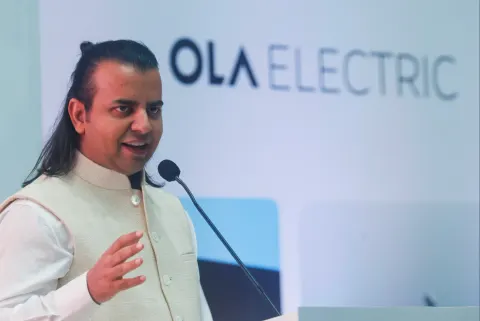
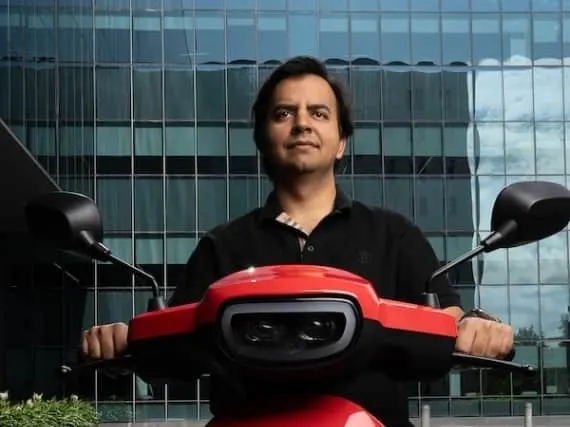
Ola Electric’s board has greenlit a massive ₹2,000 crore capital infusion into its two primary operational subsidiaries. According to recent disclosures made just days ahead of its Q4 financial results, the electric vehicle giant will channel ₹1,500 crore into its vehicle manufacturing division, Ola Electric Technologies (OET), and ₹500 crore into its battery unit, Ola Cell Technologies (OCT). These internal capital transfers are scheduled for completion by May 15, 2027. The financial injection comes at a critical juncture, directly following reports that OET experienced an 8% year-on-year decline in FY25 turnover, dropping to ₹4,717.48 crore. In contrast, the nascent cell manufacturing arm, OCT, saw its turnover rise to ₹73 crore during the same period.
Why It Matters
The mechanics of this internal funding round point directly to the harsh realities of unit economics in the Indian EV sector. Ola's core vehicle manufacturing arm has hit a growth bottleneck. The 8% dip in turnover reflects a broader industry cooling, exacerbated by the transition away from heavy government subsidies and aggressive pricing wars with incumbent players like Bajaj and TVS. By injecting ₹1,500 crore into OET, Bhavish Aggarwal is likely looking to optimize production lines, aggressive marketing, and potentially absorb margin hits to regain market share momentum. Meanwhile, the ₹500 crore allocation to OCT is the strategic anchor. True profitability in the EV space depends entirely on controlling the battery supply chain. Producing in-house cells reduces reliance on foreign imports and fundamentally alters the gross margin profile of the finished scooter.
The Strategic Read
Zooming out, this ₹2,000 crore maneuver is a high-stakes bet on vertical integration as a defensive moat. If Ola Electric can successfully scale its gigafactory and make OCT a dominant supplier of high-quality cells, it insulates the company from global supply chain shocks and volatile lithium pricing. However, the immediate challenge remains the softening demand in the core scooter business. Legacy automakers are aggressively clawing back market share with robust distribution networks and trusted after-sales service. Ola’s ability to defend its long-term valuation relies entirely on executing this dual strategy: fixing the immediate sales velocity in OET while successfully commercializing the capital-intensive cell technology in OCT. This capital infusion buys them the essential runway to attempt both
For daily, sharp analysis of the biggest moves in the Indian business and startup ecosystem, follow StartupFox.