

The Story
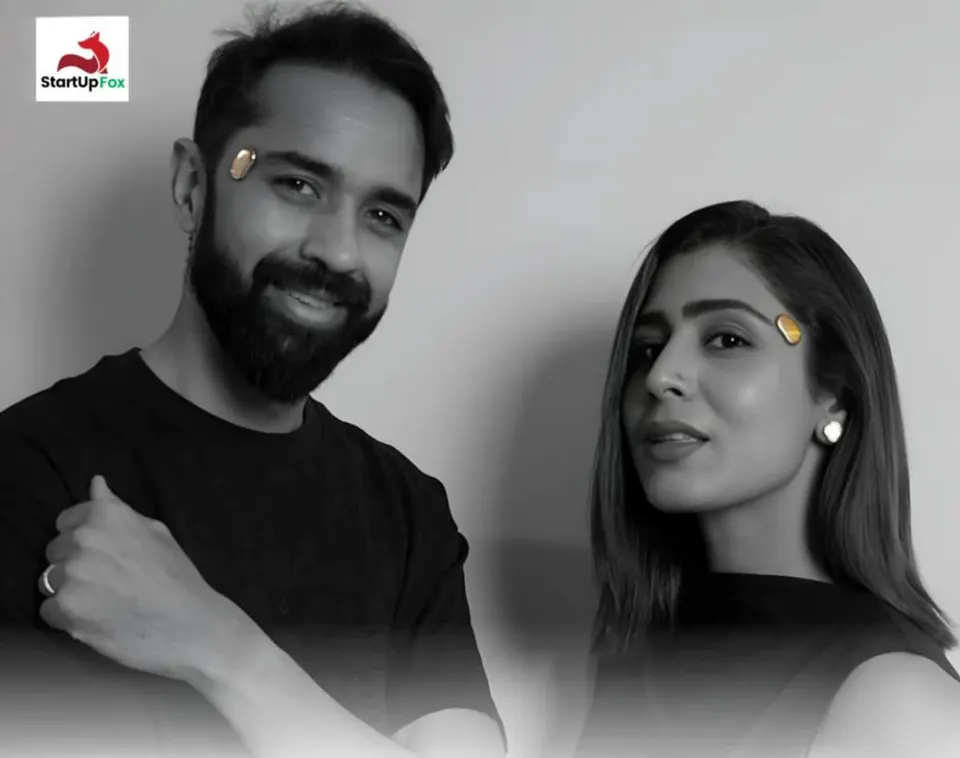
Zomato CEO Deepinder Goyal’s highly anticipated wearable startup, Temple, has moved out of the private prototype phase and into the hands of its first users, starting with some prominent names in the Indian founder ecosystem. Following Goyal's announcement that the first 100 units of the temple-mounted device are ready for shipping, Mamaearth co-founders Varun and Ghazal Alagh were spotted wearing the gold and silver variants of the tracker. Ghazal Alagh took to social media to signal her support with the caption “cheering for you Deepinder” and quipped that “health never looked so hot.” This marks the first public validation from high-profile operators for a device that has generated immense curiosity and medical skepticism since Goyal initially wore it on a podcast earlier this year.
Why It Matters
The core premise of the Temple device is entirely unconventional in the current wearable market. Unlike the Apple Watch or Oura Ring, which track established metrics like heart rate variability or steps, Temple claims to monitor continuous cerebral blood flow and oxygenation near the brain. Goyal’s venture—backed by over $54 million in seed funding from heavyweights like Peak XV Partners and Info Edge Ventures—operates on his personal “Gravity Ageing Hypothesis.” The premise suggests that tracking minute fluctuations in brain circulation can yield deeper insights into cognitive fatigue, focus, and the long-term effects of posture and gravity on brain health. However, this is strictly a research and development play right now. Temple is not attempting a mass-market consumer push; instead, the 100-device rollout is a highly curated feedback loop aimed at athletes, doctors, and fellow founders who can stress-test the hardware while the company attempts to build clinical credibility.
The Strategic Read
The Alaghs' public endorsement underscores how consumer health-tech is increasingly relying on the "influencer founder" to drive early product validation. For Goyal, getting fellow unicorns and high-net-worth operators to wear a visible, controversial device on their faces acts as a powerful marketing lever, creating an immediate aura of exclusivity. From a macro perspective, Temple represents a structural shift in where top-tier Indian tech capital is moving. We are seeing a pivot from traditional software and e-commerce plays toward deep-tech, longevity, and bio-hacking. While the medical community remains heavily divided—with several prominent physicians questioning the device's scientific standing and lack of peer-reviewed data—the sheer volume of capital and the caliber of early adopters indicate that the bio-optimization sector is gaining serious traction in India. The success of Temple will not depend on initial sales, but on whether its proprietary data can actually translate into measurable performance gains for its elite user base.
For daily, sharp analysis of the biggest moves in the Indian business and startup ecosystem, follow StartupFox.